In modern chemical production, organotin compounds have attracted much attention due to their unique chemical properties and wide application value. Among them, organotin T-9, as an important catalyst, plays an irreplaceable role in the synthesis process of polyurethane, silicone rubber and other polymer materials. The chemical name of organotin T-9 is dibutyltin dilaurate. Its molecular structure contains two butyl and two lauric acid groups. This special composition gives it excellent catalytic performance and thermal stability. As a catalyst, organotin T-9 can significantly accelerate chemical reactions while maintaining high selectivity and efficiency, making it a core additive in many industrial production processes.
From the perspective of application scope, organotin T-9 is particularly important in the production of polyurethane foam. It can effectively promote the reaction between isocyanate and polyol, thereby improving the foam molding speed and physical properties. In addition, during the vulcanization process of silicone rubber, organotin T-9 also shows excellent catalytic ability, which can help achieve shorter curing time and higher product strength. In addition to these main uses, organotin T-9 is also widely used in coatings, adhesives, plastic modification and other fields, further demonstrating its multifunctional properties.
However, despite the important role of organotin T-9 in the chemical industry, its use is also accompanied by certain safety risks. As an organometallic compound, organotin T-9 is potentially toxic and environmentally hazardous, so relevant safety regulations must be strictly followed during operation and storage. This also makes the MSDS (Material Safety Data Sheet) provided by the supplier particularly important, because this document not only lists the physical and chemical parameters and hazardous characteristics of the product in detail, but also provides comprehensive safe operation guidelines to provide users with scientific basis and guarantee. By in-depth understanding of the characteristics and uses of organotin T-9, we can better understand its importance in the chemical industry and also realize the necessity of safe use of this chemical.
MSDS: the cornerstone to ensure the safe use of organotin T-9
MSDS (Material Safety Data Sheet) is an indispensable document in the chemical industry, especially for chemicals with certain toxicity and environmental impact like organotin T-9, its importance is even more prominent. The main function of MSDS is to provide users with comprehensive and authoritative product information, covering the physical and chemical properties of chemicals, health hazards, environmental impacts, and emergency response measures. This information not only helps users understand the basic properties of organotin T-9, but also guides them to take appropriate safety measures during storage, transportation and use, thereby minimizing potential risks.
First of all, the MSDS describes in detail the physical and chemical parameters of organotin T-9, such as appearance, density, melting point, boiling point and solubility, etc. These data not only facilitate users to judge the applicability of products, but also provide scientific information for designing and producing processes.in accordance with. For example, organotin T-9 usually appears as a colorless or light yellow transparent liquid with a density of about 1.05 g/cm3 and a boiling point of over 200°C. These characteristics determine its stability under high temperature conditions and compatibility with other chemicals. In addition, the MSDS will also list the purity and impurity content of the product, which is particularly important for chemical production that requires high-precision control.
Secondly, the MSDS provides a detailed description of the health hazards of organotin T-9, including possible toxic reactions caused by inhalation, ingestion or skin contact. For example, long-term exposure to organotin T-9 may cause neurological damage, liver dysfunction and even reproductive toxicity. Based on this information, users can develop appropriate protective measures, such as wearing protective gloves, goggles, and respirators, and ensuring that the workplace is well ventilated. In addition, the MSDS will provide first aid measures and guidance on how to respond to accidental exposure or poisoning, such as immediately flushing contaminated skin or eyes with plenty of water, and seeking medical assistance in serious cases.
Third, the MSDS highlights the potential impact of organotin T-9 on the environment and its disposal methods. As an organometallic compound, organotin T-9 may pollute water and soil if not properly treated, thereby harming the ecosystem. Therefore, the MSDS will clearly indicate that the chemical must not be released into the environment at will and recommend the use of specialized waste treatment facilities for recycling or destruction. At the same time, the document will also list precautions during storage and transportation, such as avoiding direct sunlight, keeping away from fire sources, and preventing packaging damage, to ensure the safety of the product.
Lastly, the MSDS also contains emergency response guidance to help users take quick action in the event of a spill, fire, or other emergency. For example, in the case of organotin T-9 leakage, MSDS will recommend using adsorbent materials (such as sand or activated carbon) to clean up, and handing over the collected waste to professional agencies for disposal. In a fire scenario, the document recommends the use of dry powder fire extinguishers or carbon dioxide fire extinguishers, and reminds rescuers to wear self-contained breathing equipment to avoid inhaling toxic smoke.
In summary, MSDS is not only a technical guarantee for the safe use of organotin T-9, but also an indispensable reference tool for chemical industry practitioners in actual operations. By comprehensively interpreting the various contents in the MSDS, users can fully understand the characteristics of organotin T-9 and its potential risks, so as to take preventive measures in daily work.
Packaging specifications and customization services: the key to meeting diverse needs
The packaging specifications of organotin T-9 play a vital role in the chemical supply chain because it directly affects the storage stability, transportation efficiency and customer convenience of the product. Generally, suppliers offer a variety of standardized packaging options based on market demand and customer specific requirements. Common packaging specifications include 25 kg/barrel, 200 kg/barrel and ton-level IBC barrels. These specifications are designed not only taking into accountThe optimization of transportation costs also takes into account the actual needs of enterprises of different sizes. For example, small laboratories or start-up companies usually choose 25kg small packaging to facilitate flexible procurement and storage; while large production companies prefer ton-sized IBC drums to reduce the inconvenience caused by frequent container changes and improve production efficiency.
However, standardized packaging specifications cannot fully meet the needs of all customers, especially in some special application scenarios, customers may require more personalized solutions. To this end, many organotin T-9 suppliers offer on-demand customization services to suit customers’ specific requirements. This customized service covers many aspects such as packaging form, capacity, material and labeling. For example, some customers may require more corrosion-resistant stainless steel containers to store organotin T-9 to extend the shelf life of the product; others may want specific logos or barcodes printed on the packaging to facilitate internal management and tracking. In addition, some customers may require packaging into smaller units, such as 5 kg/bottle, to facilitate on-site operations or distribution.
In order to ensure the quality of customized services, suppliers usually have in-depth communication with customers to understand their specific needs and evaluate feasibility. On this basis, suppliers will combine their own production capabilities and technical advantages to create suitable packaging solutions for customers. For example, if a customer needs to transport organotin T-9 under extreme temperature conditions, the supplier may recommend special containers with insulation and equipped with temperature controls to ensure the stability of the product. In addition, suppliers will strictly abide by relevant regulations and industry standards during the customization process to ensure that packaging materials meet environmental protection requirements and pass necessary quality certifications.
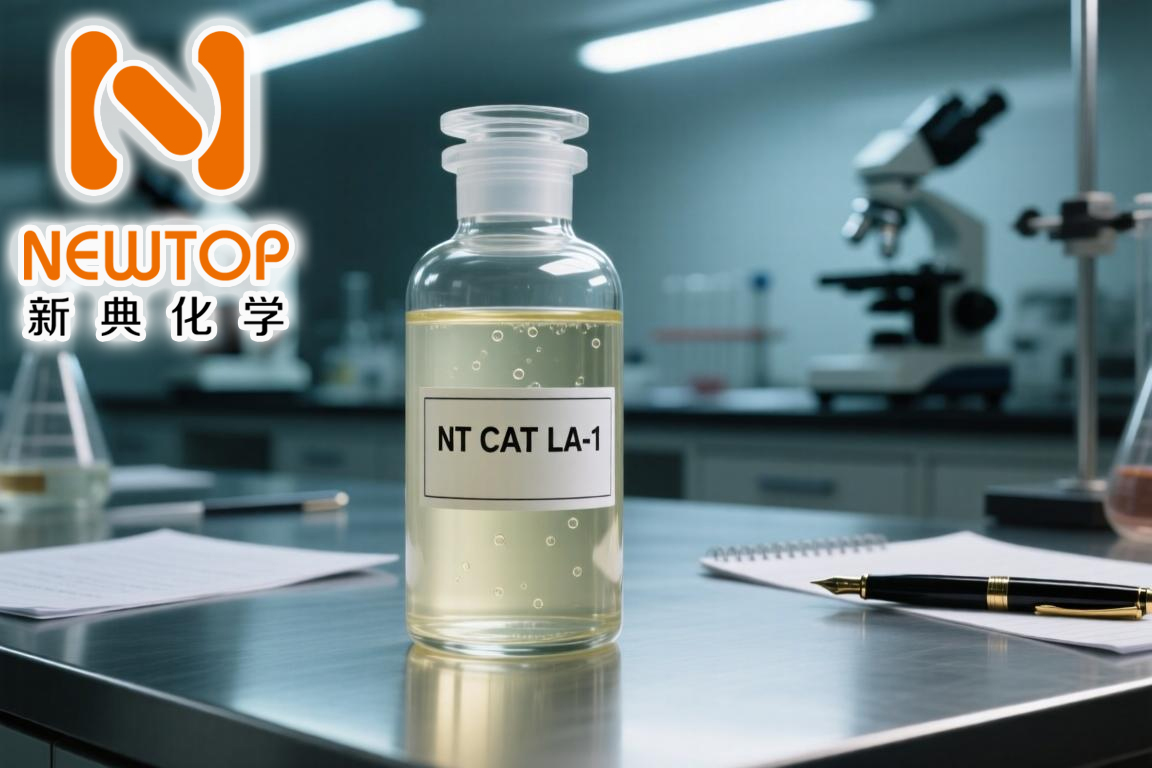
By providing diversified packaging specifications and flexible customization services, organotin T-9 suppliers can not only meet the personalized needs of customers, but also enhance their competitiveness in the market. This customer-centered service concept not only improves user experience, but also lays a solid foundation for the sustainable development of the chemical industry.
Key parameters of organotin T-9: comprehensive analysis of its chemical and physical properties
In order to understand the characteristics of organotin T-9 more intuitively, the following table details its key chemical and physical parameters. These data not only reveal the basic properties of organotin T-9, but also provide scientific basis for its performance in practical applications.
| Parameter category | Parameter name | Value or range | Unit | Remarks |
|---|---|---|---|---|
| Chemical composition | Chemical name | Dibutyltin dilaurate | – | Molecular formula: C32H64O4Sn |
| Molecular weight | 631.54 | g/mol | ||
| Purity | ≥98% | % | Industrial grade standards | |
| Physical Properties | Appearance | Colorless or light yellow liquid | – | Transparent or slightly turbid |
| Density | 1.04-1.06 | g/cm3 | Measurement at 20°C | |
| Melting point | <0 | °C | Wide liquid range | |
| Boiling point | >200 | °C | Excellent high temperature stability | |
| Refractive index (nD20) | 1.47-1.49 | – | Optical properties reference values | |
| Solubility | Solubility in water | Insoluble | – | Need to use organic solvent to dissolve |
| Solubility in water | Soluble | – | Commonly used to dilute or prepare solutions | |
| Security parameters | Flashpoint | >100 | °C | Open cup method |
| Vapor pressure | <0.1 | mmHg | Measurement at 20°C | |
| LD50 (rat oral) | 500-2000 | mg/kg | Moderately toxic | |
| Environment parameters | Biodegradability | Refractory | – | Have certain persistence in the environment |
| Aquatic toxicity | Highly toxic | – | Harmful to fish and aquatic life |
Data interpretation and application significance
It can be seen from the above parameters that the chemical composition and molecular weight of organotin T-9 determine its unique performance as a catalyst. Its high purity (≥98%) ensures efficient catalysis in the production of polyurethane and silicone rubber, while reducing the occurrence of side reactions. In terms of physical properties, the liquid form and low melting point of organotin T-9 make it easy to handle and mix, while the high boiling point ensures its stability in high-temperature reactions. Refractive index data can be used to quickly detect product purity and uniformity.
The solubility parameters indicate that organotin T-9 is insoluble in water but soluble in organic solvents such as water, which provides flexibility in formulation design. For example, when preparing polyurethane foam, the dispersion effect of organotin T-9 can be optimized by selecting an appropriate solvent system, thereby improving catalytic efficiency.
Among the safety parameters, a flash point higher than 100°C means that organotin T-9 is not flammable under normal operating conditions, but you still need to pay attention to its volatility in high-temperature environments. The LD50 data suggests it is moderately toxic, which requires operators to wear protective equipment and avoid direct contact. In addition, the lower vapor pressure indicates that it is less volatile, but ventilation is still required in confined spaces.
Environmental parameters show that organotin T-9 is difficult to biodegrade and is highly toxic to aquatic organisms, so special caution is required during use and disposal. For example, discharge into natural water bodies should be avoided, and professional waste disposal facilities should be given priority for recycling or destruction.
Through the comprehensive analysis of the above parameters, we can more comprehensively understand the characteristics of organotin T-9 and rationally utilize its advantages in practical applications while avoiding potential risks. These data not only provide theoretical support for scientific researchers, but also provide important reference for process optimization and safe operation in industrial production.
Conclusion: The multi-dimensional value and future prospects of organotin T-9 in the chemical industry
Through a comprehensive analysis of organotin T-9, we can easily find that the wide application of this chemical in the chemical industry is inseparable from its unique chemical and physical properties. As an efficient catalyst, organotin T-9 not only shows excellent performance in the production of polyurethane and silicone rubber, but also plays an important role in the fields of coatings, adhesives and plastic modification.effect. Its high purity, good thermal stability and wide solubility make it a core additive in many industrial production processes. At the same time, the MSDS safety technical instructions and diverse packaging specifications provided by suppliers provide a solid guarantee for the safe use and convenient transportation of organotin T-9.
However, the value of organotin T-9 goes far beyond that. As the chemical industry continues to develop, its performance requirements are also increasing. In the future, the research direction of organotin T-9 may focus on the following aspects: first, developing new organotin compounds with higher purity and lower toxicity to meet increasingly stringent environmental regulations and safety standards; second, exploring its potential applications in emerging fields, such as high-performance composite materials and functional coatings; third, further optimizing its catalytic efficiency and stability through nanotechnology and surface modification. These studies will not only help expand the application scope of organotin T-9, but will also promote technological progress in the entire chemical industry.
In addition, the sustainability issues of organotin T-9 cannot be ignored. As an organometallic compound, its potential impact on the environment has attracted widespread attention. Therefore, one of the future R&D priorities will be to develop more environmentally friendly alternatives or improve the degradation performance of existing products to reduce the burden on the ecosystem. At the same time, suppliers and users also need to work together to build a more sustainable chemical industry chain by optimizing production processes, strengthening waste management, and promoting green chemistry concepts.
In short, organotin T-9 occupies an important position in the chemical industry with its unique advantages, but its future development is still full of challenges and opportunities. Only through continuous innovation and cooperation can we fully realize its potential and inject new vitality into the prosperity and sustainable development of the chemical industry.
====================Contact information=====================
Contact: Manager Wu
Mobile phone number: 18301903156 (same number as WeChat)
Contact number: 021-51691811
Company address: No. 258, Songxing West Road, Baoshan District, Shanghai
============================================================
Polyurethane waterproof coating catalyst catalog
-
NT CAT 680 gel catalyst is an environmentally friendly metal composite catalyst that does not contain nine types of organotin compounds such as polybrominated bisulfides, polybrominated diethers, lead, mercury, cadmium, octyl tin, butyl tin, and base tin that are restricted by RoHS. It is suitable for polyurethane leather, coatings, adhesives, silicone rubber, etc.
-
NT CAT C-14 is widely usedIn polyurethane foam, elastomers, adhesives, sealants and room temperature curing silicone systems;
-
NT CAT C-15 is suitable for aromatic isocyanate two-component polyurethane adhesive systems, with medium catalytic activity and lower activity than A-14;
-
NT CAT C-16 is suitable for aromatic isocyanate two-component polyurethane adhesive systems. It has a delay effect and certain hydrolysis resistance, and the combination has a long storage time;
-
NT CAT C-128 is suitable for polyurethane two-component rapid curing adhesive systems. It has strong catalytic activity among this series of catalysts and is especially suitable for aliphatic isocyanate systems;
-
NT CAT C-129 is suitable for aromatic isocyanate two-component polyurethane adhesive system. It has a strong delay effect and strong stability with water;
-
NT CAT C-138 is suitable for aromatic isocyanate two-component polyurethane adhesive system, with medium catalytic activity, good fluidity and hydrolysis resistance;
-
NT CAT C-154 is suitable for aliphatic isocyanate two-component polyurethane adhesive systems and has a delay effect;
-
NT CAT C-159 is suitable for aromatic isocyanate two-component polyurethane adhesive system and can be used to replace A-14. The addition amount is 50-60% of A-14;
-
NT CAT MB20 gel catalyst can be used to replace tin metal catalysts in soft block foams, high-density flexible foams, spray foams, microporous foams and rigid foam systems. Its activity is relatively lower than organotin;
-
NT CAT T-12 dibutyltin dilaurate, gel catalyst, suitable for polyether type high-density structural foam, also used in polyurethane coatings, elastomers, adhesives, room temperature curing silicone rubber, etc.;
-
NT CAT T-125 is an organotin-based strong gel catalyst. Compared with other dibutyltin catalysts, the T-125 catalyst has higher catalytic activity and selectivity for urethane reactions, and has improved hydrolysis stability. It is suitable for rigid polyurethane spray foam, molded foam and CASE applications.
Polyurethane sealant is a high-performance material widely used in construction, automobiles, electronics and other fields. It is popular for its excellent adhesion, elasticity and weather resistance. During the production process, how to achieve the balance between fast surface drying and deep curing is one of the key technical problems. Fast surface drying can shorten construction time and improve efficiency, while deep curing determines the final performance and service life of the sealant. The coordination between the two directly affects the quality and application effect of the product.
Organotin catalyst T-9 (dibutyltin dilaurate) plays an important role in this process. As an efficient catalyst, T-9 can significantly accelerate the chemical reaction of polyurethane sealant, especially playing a catalytic role in the cross-linking reaction between isocyanate and polyol. This catalyst not only promotes rapid drying of the surface, but also ensures that the underlying structure is fully cured to provide uniform product performance. However, the amount and usage of T-9 need to be precisely controlled, otherwise it may cause the surface to dry too quickly and the deep layer to be cured insufficiently, or the deep layer to be cured too slowly, affecting the construction efficiency. Therefore, in actual production, how to scientifically use T-9 to achieve a balance between surface drying and deep curing has become a core issue in optimizing the performance of polyurethane sealants.
The influence mechanism of organotin T-9 on the surface drying speed of polyurethane sealant
Organotin T-9 plays an important role as a catalyst in the surface drying process of polyurethane sealants. Its core mechanism is to promote the reaction of isocyanate groups (-NCO) with moisture in the air to generate urethane (-NHCOO-) and release carbon dioxide gas. This process is called the moisture cure reaction and is a critical step in the surface drying of polyurethane sealants. T-9 significantly increases the rate of the reaction by reducing the reaction activation energy, allowing the surface of the sealant to form a hardened film in a short time, which is “surface dry”.
Specifically, the tin atom in the T-9 molecule has strong coordination ability and can form a complex with the isocyanate group, thereby weakening the stability of the -NCO bond and making it easier for nucleophilic addition reactions to occur with water molecules. In addition, T-9 can also adjust the reaction path to reduce the occurrence of side reactions, such as the excessive generation of urea groups (-NHCONH-), thereby avoiding surface defects or performance degradation caused by the accumulation of by-products. This selective catalysis makes the surface drying process more efficient and controllable.
From the perspective of chemical kinetics, the addition of T-9 significantly reduces the activation energy of the moisture curing reaction, usually increasing the reaction rate several times or even dozens of times. This means that under the same environmental conditions, the surface drying time of the sealant can be greatly shortened to meet the need for rapid construction. However, it is worth noting that the catalytic efficiency of T-9 does not increase linearly, but is comprehensively affected by multiple factors such as concentration, temperature, and humidity. For example, when the addition amount of T-9 is too high, may cause the surface drying speed to be too fast, but inhibit the progress of the deep curing reaction. Therefore, in actual production, the balance between surface drying speed and overall performance must be achieved by accurately controlling the amount of T-9.
In summary, organotin T-9 significantly improves the surface drying speed of polyurethane sealant by promoting the moisture curing reaction and optimizing the reaction path. However, the regulation of its catalytic efficiency needs to be combined with specific process conditions to ensure that rapid surface drying can be achieved without negatively affecting deep curing.
The influence mechanism of organotin T-9 on the deep curing of polyurethane sealants
Although organotin T-9 is excellent at promoting surface drying of polyurethane sealants, its impact on deep curing cannot be ignored. Deep curing refers to the process in which the internal structure of the sealant gradually completes the cross-linking reaction. This step directly determines the mechanical strength, durability and long-term performance of the product. The role of T-9 in deep curing is mainly reflected in two aspects: one is by continuously catalyzing the cross-linking reaction of isocyanate and polyol, and the other is by adjusting the dynamic characteristics of the reaction system to ensure that the deep structure can be cured evenly and completely.
During the deep curing process, the catalytic effect of T-9 is not limited to the surface layer, but runs through the entire thickness of the sealant. Due to the lack of opportunity for contact with air in the deep area, the moisture curing reaction is difficult to proceed as quickly as in the surface drying stage. At this time, the catalytic efficiency of T-9 depends more on the chemical diffusion and reactivity within the system. By forming a stable intermediate complex with the isocyanate group, T-9 can effectively reduce the activation energy of the cross-linking reaction, thus accelerating the curing process in deep areas. In addition, T-9 can also inhibit the occurrence of side reactions, such as the excessive generation of urea groups, thereby reducing internal stress and microscopic defects that may occur during the curing process and ensuring the integrity of the deep structure.
However, the deep curing time is usually much longer than the surface drying time, which is determined by the limitations of the internal reaction conditions of the sealant. On the one hand, as the curing depth increases, the diffusion path of moisture and unreacted isocyanate groups becomes longer, and the reaction rate will naturally decrease; on the other hand, the heat accumulation in the deep area is less and the temperature is lower, further slowing down the speed of the chemical reaction. In this case, the addition amount and distribution uniformity of T-9 are particularly important. An appropriate amount of T-9 can ensure the full progress of the cross-linking reaction without significantly prolonging the deep curing time, thereby avoiding performance defects caused by incomplete curing.
In order to better understand the impact of T-9 on deep curing, experimental data can be used to illustrate it. For example, under standard laboratory conditions, a polyurethane sealant sample added with 0.1% T-9 can reach about 85% deep curing within 24 hours, while a sample without T-9 can only reach about 60% in the same time. This difference shows that T-9 can not only shorten the deep curing time, but also improve the efficiency of the curing reaction, thus ensuring the overall performance of the sealant.
In short, organotin T-9 plays an indispensable role in the deep curing process. By optimizing its addition amount and distribution, the deep curing time can be effectively shortened while ensuring the uniformity and stability of the internal structure of the sealant. This dual role makes T-9 an important tool for achieving a balance of rapid surface drying and deep curing.
Balancing strategy of fast surface drying and deep curing
In the production process of polyurethane sealant, achieving the balance between fast surface drying and deep curing is a complex and delicate task. This balance is not only related to the construction efficiency of the product, but also directly affects its final performance and service life. To achieve this goal, we need to approach it from multiple angles, including adjusting the amount of organotin T-9 added, optimizing production process parameters, and strictly controlling environmental conditions.

First of all, the amount of T-9 added is one of the key factors that affects the balance between surface dryness and deep curing. An appropriate amount of T-9 can significantly speed up the surface drying, but if the added amount is too high, it may cause the surface to dry too quickly and prevent the chemical reaction required for deep curing from fully proceeding. According to experimental data, the recommended addition amount of T-9 is usually between 0.05% and 0.2%. The specific value needs to be adjusted according to the formula and use of the sealant. For example, for application scenarios that require rapid construction, the amount of T-9 can be appropriately increased to accelerate surface drying, but it should be ensured that deep curing is not significantly affected. On the contrary, if the product pays more attention to deep-layer performance, the amount of T-9 should be reduced to extend the deep-layer curing time and obtain a more uniform cross-linked structure.
Secondly, the optimization of production process parameters is also crucial. Factors such as temperature, humidity and stirring time will have a significant impact on the catalytic efficiency of T-9. Higher temperatures can speed up chemical reactions, but they can also speed up surface drying, causing the surface to seal prematurely, thereby hindering deep curing. Therefore, it is recommended to control the production temperature within the range of 20-30°C, combined with appropriate humidity conditions (such as relative humidity 40%-60%) to achieve the best balance between surface drying and deep curing. In addition, the length of stirring time will also affect the uniformity of T-9 distribution in the sealant. If the stirring time is insufficient, the local concentration of T-9 may be too high, causing the surface to dry too quickly; while the stirring time is too long, unnecessary side reactions may occur and reduce the efficiency of deep curing. Generally speaking, the stirring time should be controlled between 10-20 minutes to ensure that T-9 is evenly dispersed throughout the system.
Finally, the control of environmental conditions is also a link that cannot be ignored. Changes in temperature and humidity in the construction environment will directly affect the catalytic effect of T-9 and the curing behavior of the sealant. For example, in low temperature or low humidity environments, the speed of the moisture curing reaction will be significantly slowed down, resulting in extended surface drying time and deep curing may also be affected. Therefore, in practical applications, it is recommended to implementAdjust the dosage of T-9 according to the specific conditions of the working environment or take auxiliary measures (such as heating or humidification) to make up for the deficiencies in environmental conditions. In addition, storage conditions also require special attention, as high temperatures or prolonged exposure to air may cause the catalytic activity of T-9 to decrease, thereby affecting the performance of the sealant.
Through the comprehensive control of the above multiple aspects, the balance between rapid surface drying and deep curing can be effectively achieved. The following table summarizes the effects of different parameters on surface drying and deep curing for actual production reference:
| Parameters | Influence direction | Recommended scope or conditions | Remarks |
|---|---|---|---|
| T-9 addition amount | Surface drying is accelerated and deep curing is affected | 0.05%-0.2% | Adjust according to specific needs |
| Temperature | Surface drying is accelerated and deep curing is affected | 20-30℃ | Please be careful with high temperatures |
| Humidity | Both surface drying and deep curing are affected | Relative humidity 40%-60% | It is not good to be too low or too high |
| Stirring time | Uniformity affects surface drying and deep curing | 10-20 minutes | Avoid not being enough or too long |
| Ambient temperature and humidity | Both surface drying and deep curing are affected | The construction environment is moderate | Auxiliary measures can improve extreme conditions |
In summary, by rationally adjusting the amount of T-9, optimizing production process parameters, and strictly controlling environmental conditions, a balance between rapid surface drying and deep curing can be achieved, thereby improving the overall performance of the polyurethane sealant.
Future research directions and industry prospects
In the field of polyurethane sealant production, organotin T-9, as an efficient catalyst, has shown its important role in achieving a balance between rapid surface drying and deep curing. However, with the continuous upgrading of market demand and the promotion of technological progress, future research directions will focus more on the following aspects.
First of all, the research and development of new catalysts will become an important breakthrough point. Although the T-9 performs well in current production, its high cost and certain environmental controversies have prompted researchers to explore more cost-effective and environmentally friendly alternatives. For example, based on non-tinCatalysts based on metalloid compounds or organic amine compounds are gradually entering the experimental stage. These new catalysts are not only expected to be comparable to T-9 in catalytic efficiency, but may also have lower toxicity and higher biocompatibility, thereby meeting increasingly stringent environmental regulations.
Secondly, the introduction of intelligent production technology will further improve the production efficiency and product quality of polyurethane sealants. By introducing a real-time monitoring system and automated control technology, key parameters such as T-9 addition amount, temperature, and humidity can be dynamically adjusted to maximize the balance between surface drying and deep curing. For example, using artificial intelligence algorithms to analyze production data and predict the curing behavior of sealants under different conditions can help companies develop more accurate production plans. In addition, the application of 3D printing technology is also expected to open up new avenues for customized production of sealants, especially showing great potential in the sealing treatment of complex structural parts.
In the future, the market demand for high-performance sealants will continue to grow, especially in fields such as new energy vehicles, aerospace, and green buildings. These emerging application scenarios have put forward higher requirements for the performance of sealants, such as higher heat resistance, stronger aging resistance and better environmental protection properties. To this end, future research and development will focus on improving the basic formulation and developing multifunctional composite materials. For example, by introducing nanofillers or functional polymers, the mechanical properties and weather resistance of sealants can be significantly improved while maintaining good construction performance.
To sum up, organotin T-9 will still be an important part of polyurethane sealant production in the future, but its application will rely more on technological innovation and process optimization. With the research and development of new catalysts, the popularization of intelligent production and the expansion of the high-performance sealant market, this field will usher in more development opportunities and challenges.
====================Contact information=====================
Contact: Manager Wu
Mobile phone number: 18301903156 (same number as WeChat)
Contact number: 021-51691811
Company address: No. 258, Songxing West Road, Baoshan District, Shanghai
============================================================
Polyurethane waterproof coating catalyst catalog
-
NT CAT 680 gel catalyst is an environmentally friendly metal composite catalyst that does not contain nine types of organotin compounds such as polybrominated bisulfides, polybrominated diethers, lead, mercury, cadmium, octyl tin, butyl tin, and base tin that are restricted by RoHS. It is suitable for polyurethane leather, coatings, adhesives, silicone rubber, etc.
-
NT CAT C-14 Widely used in polyurethane foam, elastomers, adhesives, sealants and room temperature curing silicone systems;
-
NT CAT C-15 is suitable for aromatic isocyanate two-component polyurethane adhesive systems, with medium catalytic activity and lower activity than A-14;
-
NT CAT C-16 is suitable for aromatic isocyanate two-component polyurethane adhesive systems. It has a delay effect and certain hydrolysis resistance, and the combination has a long storage time;
-
NT CAT C-128 is suitable for polyurethane two-component rapid curing adhesive systems. It has strong catalytic activity among this series of catalysts and is especially suitable for aliphatic isocyanate systems;
-
NT CAT C-129 is suitable for aromatic isocyanate two-component polyurethane adhesive system. It has a strong delay effect and strong stability with water;
-
NT CAT C-138 is suitable for aromatic isocyanate two-component polyurethane adhesive system, with medium catalytic activity, good fluidity and hydrolysis resistance;
-
NT CAT C-154 is suitable for aliphatic isocyanate two-component polyurethane adhesive systems and has a delay effect;
-
NT CAT C-159 is suitable for aromatic isocyanate two-component polyurethane adhesive system and can be used to replace A-14. The addition amount is 50-60% of A-14;
-
NT CAT MB20 gel catalyst can be used to replace tin metal catalysts in soft block foams, high-density flexible foams, spray foams, microporous foams and rigid foam systems. Its activity is relatively lower than organotin;
-
NT CAT T-12 dibutyltin dilaurate, gel catalyst, suitable for polyether type high-density structural foam, also used in polyurethane coatings, elastomers, adhesives, room temperature curing silicone rubber, etc.;
-
NT CAT T-125 is an organotin-based strong gel catalyst. Compared with other dibutyltin catalysts, the T-125 catalyst has higher catalytic activity and selectivity for urethane reactions, and has improved hydrolysis stability. It is suitable for rigid polyurethane spray foam, molded foam and CASE applications.
Organotin T-9 catalyst is a highly efficient catalyst widely used in polyurethane foam production. Its chemical name is dibutyltin dilaurate. As an important metal organic compound, T-9 catalyst mainly plays a role in promoting the cross-linking reaction between isocyanate and polyol in polyurethane reaction. This catalytic effect directly affects the foam formation process, especially in the regulation of bubble nucleation and growth during the foaming stage.
The performance of polyurethane foam is closely related to its pore size and uniformity. The size of the pores determines the density, mechanical strength and thermal insulation performance of the foam material, while the uniformity of the pores affects the overall stability and appearance quality of the foam. For example, excessive pore size will cause the foam structure to be loose and reduce mechanical properties; too small pore size or uneven distribution may cause stress concentration inside the foam, leading to cracking or other defects. Therefore, in practical applications, how to control the pore size and uniformity by optimizing the production process is the key to improving foam quality.
The purity of the organotin T-9 catalyst plays an important role in this process. The high-purity T-9 catalyst can more accurately control the reaction rate and reduce the occurrence of side reactions, thereby helping to generate a foam structure with more uniform pore sizes and moderate size. In contrast, low-purity catalysts may contain impurities that not only interfere with catalytic efficiency but may also introduce unnecessary by-products, thereby affecting the quality of the foam. Therefore, exploring the purity differences of different brands of organotin T-9 catalysts and their impact on the pore size characteristics of polyurethane foam is of great significance for optimizing foam production technology.
Purity difference analysis of different brands of organotin T-9 catalysts
In order to conduct an in-depth study of the impact of the purity of organotin T-9 catalyst on its catalytic performance, we selected three common brands (A, B and C) on the market for comparative analysis. By analyzing the ingredients of each brand and collating experimental data, we can clearly observe the significant differences in purity.
First of all, Brand A’s T-9 catalyst is known for its high purity. Its main component, dibutyltin dilaurate, has a content of more than 99.5%. The impurity content is extremely low, mainly traces of incompletely reacted raw material residues. In comparison, Brand B is slightly less pure, with a main component content of approximately 98.2%, including approximately 1.3% of other organotin by-products and 0.5% of inorganic impurities. These by-products are mainly caused by insufficiently strict control of reaction conditions during the production process. Finally, Brand C has low purity, with its main ingredient content being only 96.7%, and the remaining 3.3% of ingredients including a variety of organic impurities and a small amount of moisture. According to analysis, the presence of these impurities may be related to poor quality of raw materials and insufficient post-processing processes.
It can be seen from the above data that there are obvious differences in the purity of different brands of T-9 catalysts. This difference is not only reflected in the principal componentsThe content is also reflected in the distribution of impurity types and proportions. Specifically, high-purity Brand A contains almost no impurities that may interfere with the catalytic reaction, while Brands B and C show varying degrees of risk of reduced catalytic performance due to the presence of by-products and inorganic impurities respectively. This difference in purity will directly affect the performance of the catalyst in polyurethane foam production, especially the ability to control the size and uniformity of foam pores.
The specific impact of purity differences on the pore size and uniformity of polyurethane foam
In the production of polyurethane foam, the purity difference of the organotin T-9 catalyst directly determines its catalytic efficiency, which in turn affects the pore size and uniformity of the foam. The following are the specific impact mechanisms and results based on experimental data and theoretical analysis.
The effect of catalyst purity on pore size
High-purity T-9 catalyst (such as Brand A), because its main component content is close to 100%, can provide stable catalytic activity during the foaming process, making the cross-linking reaction of isocyanate and polyol more uniform. This efficient catalysis ensures the synchronization of bubble nucleation and growth, resulting in a foam structure with smaller pore sizes and concentrated distribution. Experimental data shows that the average pore size of polyurethane foam prepared using Brand A catalyst is 0.25 mm, and the standard deviation is only 0.02 mm, indicating that the pore size distribution is highly concentrated.
In contrast, low-purity catalysts (such as brands B and C) contain more impurities, and their catalytic efficiency is significantly inhibited. The presence of impurities may cause local reaction rates to be inconsistent, causing bubbles to over-expand in some areas while under-foaming in other areas. This uneven reaction phenomenon directly leads to an increase in foam pore size and dispersed distribution. For example, the average pore size of the foam prepared by the brand B catalyst is 0.32 mm, and the standard deviation rises to 0.05 mm; while the average pore size of the foam prepared by the brand C catalyst further expands to 0.41 mm, and the standard deviation is as high as 0.08 mm. This shows that as the purity of the catalyst decreases, the increasing trend of foam pore size and the degree of distribution dispersion become more obvious.
The effect of catalyst purity on pore size uniformity
Pore size uniformity is one of the important indicators to measure the quality of foam, which reflects the consistency of bubble distribution inside the foam. Due to the high degree of controllability of the catalytic reaction, high-purity catalysts (Brand A) can effectively avoid undesirable phenomena such as bubble merging or bursting, thereby achieving high pore size uniformity. Experimental results show that the pore size uniformity index (defined as the ratio of small pore diameter to large pore diameter) of the foam prepared by Brand A catalyst is 0.89, indicating that its pore size distribution is extremely uniform.
However, the stability of the catalytic reaction of low-purity catalysts (Brands B and C) decreases significantly due to the interference of impurities. This unstable state can easily lead to fluctuations in bubble nucleation rate and growth rate, resulting in areas with large pore sizes within the foam. Specifically, the pore size uniformity index of the foam prepared by Brand B catalyst dropped to 0.76, while that of Brand C catalystThe pore size uniformity index of the foam prepared with chemical agent is only 0.65. This shows that as the purity of the catalyst decreases, the uniformity of the foam pore size deteriorates significantly, ultimately affecting the overall performance of the foam.

Data comparison summary
Through the above analysis, it can be found that the catalyst purity has a systematic impact on the pore size and uniformity of polyurethane foam. High-purity catalysts can ensure the uniformity and stability of the reaction, thereby generating foam with small pore sizes and even distribution; while low-purity catalysts can cause the reaction to be out of control due to interference from impurities, resulting in increased pore size and uneven distribution. The following table summarizes the specific effects of different brands of catalysts on foam pore size characteristics:
| Brand | Average pore diameter (mm) | Standard deviation (mm) | Pore size uniformity index |
|---|---|---|---|
| A | 0.25 | 0.02 | 0.89 |
| B | 0.32 | 0.05 | 0.76 |
| C | 0.41 | 0.08 | 0.65 |
In summary, differences in catalyst purity significantly change the pore size characteristics of polyurethane foam by affecting catalytic efficiency and reaction stability. This conclusion provides an important theoretical basis for subsequent optimization of the foam production process.
Experimental design and testing methods
In order to scientifically verify the impact of purity differences of different brands of organotin T-9 catalysts on the pore size and uniformity of polyurethane foam, this study designed a series of rigorous experimental procedures and used standardized testing methods to quantitatively analyze the experimental results.
Experimental design
The experiment is divided into three main steps: sample preparation, foaming process monitoring and foam performance testing. First, polyurethane raw materials are prepared according to a fixed formula ratio, including isocyanate, polyol and other additives. Subsequently, T-9 catalysts of brands A, B, and C were added respectively, and the amount of each catalyst was kept consistent to ensure the singleness of the variables. The foaming process was carried out under constant temperature and humidity conditions, with the temperature set at 25°C and the humidity controlled at about 50% to eliminate the interference of environmental factors on the experimental results.
Test method
In order to accurately evaluate the pore size and uniformity of the foam, a combination of microscopic observation and image analysis software was used. The prepared foam samples were cut into small pieces of standard size, and then magnified and observed using an optical microscope, with the magnification set to 50 times. The captured microscopic images are processed through professional image analysis software to extract pore size distribution data and calculate the average pore size and standard deviation. In addition, the pore size uniformity index is calculated by the formula “small pore size/large pore size” and is used to quantify the consistency of the foam pore size distribution.
Data recording and analysis
Experimental data records include three core parameters: average pore size, standard deviation and pore size uniformity index of each sample. Each set of experiments was repeated three times, and the average value was taken as the final result to improve the reliability of the data. All experimental data were entered into a spreadsheet for statistical analysis, and analysis of variance (ANOVA) was used to verify whether the impact of different brands of catalysts on foam pore characteristics was statistically significant.
Through the above-mentioned rigorous experimental design and testing methods, this study ensured the objectivity and repeatability of the experimental results, laying a solid foundation for subsequent data analysis and conclusion derivation.
Conclusion and future prospects
Based on the experimental data and analysis results, the following conclusion can be clearly drawn: the purity of the organotin T-9 catalyst has a significant impact on the pore size and uniformity of polyurethane foam. High-purity catalysts (such as Brand A) can generate foam structures with small pore sizes and even distribution due to their excellent catalytic efficiency and reaction stability, while low-purity catalysts (such as Brands B and C) have increased pore sizes and uneven distribution due to interference from impurities. This discovery provides important theoretical support for optimizing the polyurethane foam production process, and also reveals the key role of catalyst selection in actual production.
Future research directions should further focus on the following aspects: first, develop a higher purity organotin catalyst production process to reduce impurity content and improve catalytic performance; second, explore new catalyst alternatives and find materials that can achieve a balance between cost and performance; third, conduct more in-depth research on the foam microstructure using advanced characterization techniques (such as scanning electron microscopy and X-ray diffraction) to comprehensively understand the relationship between catalyst purity and foam performance. These efforts will inject new impetus into the development of the polyurethane foam industry.
====================Contact information=====================
Contact: Manager Wu
Mobile phone number: 18301903156 (same number as WeChat)
Contact number: 021-51691811
Company address: No. 258, Songxing West Road, Baoshan District, Shanghai
============================================================
Polyurethane waterproof coating catalyst catalog
-
NT CAT 680 gel catalyst is an environmentally friendly metal composite catalyst that does not contain nine types of organotin compounds such as polybrominated bisulfides, polybrominated diethers, lead, mercury, cadmium, octyl tin, butyl tin, and base tin that are restricted by RoHS. It is suitable for polyurethane leather, coatings, adhesives, silicone rubber, etc.
-
NT CAT C-14 is widely used in polyurethane foams, elastomers, adhesives, sealants and room temperature curing silicone systems;
-
NT CAT C-15 is suitable for aromatic isocyanate two-component polyurethane adhesive systems, with medium catalytic activity and lower activity than A-14;
-
NT CAT C-16 is suitable for aromatic isocyanate two-component polyurethane adhesive systems. It has a delay effect and certain hydrolysis resistance, and the combination has a long storage time;
-
NT CAT C-128 is suitable for polyurethane two-component rapid curing adhesive systems. It has strong catalytic activity among this series of catalysts and is especially suitable for aliphatic isocyanate systems;
-
NT CAT C-129 is suitable for aromatic isocyanate two-component polyurethane adhesive system. It has a strong delay effect and strong stability with water;
-
NT CAT C-138 is suitable for aromatic isocyanate two-component polyurethane adhesive system, with medium catalytic activity, good fluidity and hydrolysis resistance;
-
NT CAT C-154 is suitable for aliphatic isocyanate two-component polyurethane adhesive systems and has a delay effect;
-
NT CAT C-159 is suitable for aromatic isocyanate two-component polyurethane adhesive system and can be used to replace A-14. The addition amount is 50-60% of A-14;
-
NT CAT MB20 gel catalyst can be used to replace tin metal catalysts in soft block foams, high-density flexible foams, spray foams, microporous foams and rigid foam systems. Its activity is relatively lower than organotin;
-
NT CAT T-12 dibutyltin dilaurate, gel catalyst, suitable for polyether type high-density structural foam, also used in polyurethane coatings, elastomers, adhesives, room temperature curing silicone rubber, etc.;
-
NT CAT T-125 organotin based strong gelCatalyst, compared with other dibutyltin catalysts, T-125 catalyst has higher catalytic activity and selectivity for urethane reaction, and improved hydrolysis stability. It is suitable for rigid polyurethane spray foam, molded foam and CASE applications.
Organotin T-9 catalyst is a highly efficient catalytic material, mainly composed of dibutyltin dilaurate. Known for its excellent catalytic efficiency and good thermal stability, this catalyst plays a key role in numerous chemical reactions. Especially in the synthesis process of water-based polyurethane, the role of T-9 catalyst is particularly prominent. It can significantly accelerate the reaction rate between isocyanate and polyol, thereby effectively improving production efficiency and product quality.
Water-based polyurethane is widely used in coatings, adhesives, sealants and other fields because of its environmental protection, non-toxicity and excellent physical properties. However, the synthesis process of such materials is complex and requires precise control of reaction conditions to ensure the performance of the final product. In this context, choosing the appropriate catalyst is particularly important. The T-9 catalyst not only increases the reaction rate, but also helps improve the mechanical properties and chemical resistance of water-based polyurethane, making it more suitable for high-performance applications.
In addition, as global environmental protection requirements become increasingly stringent, the market demand for water-based polyurethane, a green alternative to traditional solvent-based polyurethane, continues to grow. Under this trend, the application of T-9 catalyst has also received more and more attention. It not only promotes more environmentally friendly production methods, but also reduces production costs by optimizing the reaction process, bringing significant economic and environmental benefits to the industry. Therefore, in-depth study of the mechanism of action and optimized use strategies of T-9 catalyst in water-based polyurethane synthesis is of great significance to promote the development of this field.
Hydrolysis resistance performance of organotin T-9 catalyst
The hydrolysis resistance of organotin T-9 catalyst in water-based polyurethane synthesis is an important indicator to evaluate its applicability and long-term stability. Hydrolysis is the process by which compounds break down into smaller molecules in the presence of water, a process that can affect the activity and life of the catalyst. For the T-9 catalyst, its main component, dibutyltin dilaurate, may undergo hydrolysis to a certain extent in an aqueous environment, resulting in a decrease in activity.
Experimental research shows that the hydrolysis resistance of T-9 catalyst is closely related to its molecular structure. The long-chain fatty acid moiety of dibutyltin dilaurate gives it a certain hydrophobicity, which helps reduce attacks by water molecules on its core tin atoms. However, when the pH in aqueous systems deviates from neutral or the temperature increases, the risk of hydrolysis increases significantly. For example, under high temperature (over 80°C) or strongly alkaline conditions, the hydrolysis rate of T-9 catalyst will accelerate, which may lead to a rapid decline in its catalytic activity.
In order to verify this, the researchers found through tests under simulated actual reaction conditions that the T-9 catalyst showed good stability in neutral to weakly acidic environments, but was prone to degradation under strongly alkaline conditions. Specifically, in the pH range of 7 to 8, the activity retention rate of the catalyst can reach more than 90%; but when the pH value is higher than 10In the environment, its activity will drop to less than 50% of the initial value within 24 hours. In addition, the influence of temperature cannot be ignored. Below 60°C, the hydrolysis rate of T-9 catalyst is low, but when the temperature rises above 80°C, the hydrolysis phenomenon obviously intensifies.
These experimental results show that although the T-9 catalyst has high catalytic efficiency in aqueous polyurethane synthesis, its hydrolysis resistance still needs to be optimized according to specific reaction conditions. Especially in environments with high humidity, high temperature or extreme pH values, appropriate protective measures should be taken, such as adding stabilizers or adjusting reaction conditions, to extend the service life of the catalyst and ensure efficient reaction. By comprehensively considering these factors, the advantages of the T-9 catalyst can be better utilized while avoiding performance losses caused by hydrolysis.
Recommended addition ratio of organotin T-9 catalyst
In the synthesis of water-based polyurethane, determining the appropriate T-9 catalyst addition ratio is a key step to ensure reaction efficiency and product quality. Normally, the recommended addition amount of T-9 catalyst is between 0.05% and 0.5% of the total reactant mass. The selection of this range is based on a variety of factors, including the specific type of reaction, the desired reaction rate, and the end use of the target product.
First, for applications that require fast curing, such as ready-to-use adhesives or fast-drying coatings, it is recommended to use a higher proportion of T-9 catalyst, usually between 0.3% and 0.5%. This can significantly speed up the reaction between isocyanate and polyol, shorten the production cycle, and improve production efficiency. However, too high a catalyst content may also bring side effects, such as an increase in side reactions caused by excessive catalysis, affecting the physical properties and stability of the final product.
On the contrary, for some applications that have higher requirements on product performance, such as high-performance elastomers or prepolymers that require long-term storage, it is recommended to use a lower catalyst ratio, approximately between 0.05% and 0.2%. Such a low ratio can effectively control the reaction rate, avoid molecular structure defects caused by too fast reactions, and also ensure the long-term stability and reliability of the product.
In addition, the addition ratio of the catalyst should also consider the specific conditions of the reaction environment, such as temperature and pH value. Under higher temperatures or strong alkaline conditions, due to the increased risk of hydrolysis of the T-9 catalyst, its dosage may need to be appropriately increased to compensate for the loss of activity. On the contrary, under milder reaction conditions, the amount of catalyst used can be reduced to reduce costs and potential environmental pollution.
In short, choosing the appropriate T-9 catalyst addition ratio is a process of balancing reaction rate, product quality and cost-effectiveness. Through detailed experiments and analysis, we canSummarize conditions and optimize catalyst usage strategies to achieve the best production results and economic benefits.
Performance parameters and comparative analysis of organotin T-9 catalyst
In order to fully understand the performance of organotin T-9 catalyst in water-based polyurethane synthesis, we need to systematically compare its performance with other commonly used catalysts. The following is a table of performance parameters of several common catalysts, covering key indicators such as catalytic efficiency, hydrolysis resistance, cost and applicable scenarios:
| Catalyst name | Catalytic efficiency (reaction time shortening rate) | Hydrolysis resistance (activity retention rate, after 24 hours) | Cost (relative unit) | Applicable scenarios |
|---|---|---|---|---|
| Organotin T-9 | 85%-95% | pH 7-8: >90%; pH >10: <50% | Medium | Fast-curing coatings, high-performance elastomers |
| Organobismuth Catalyst (BiCAT) | 70%-85% | pH 7-8: >95%; pH >10: >70% | Higher | Environmentally friendly adhesives and food contact materials |
| Amine catalyst (DMEA) | 60%-80% | pH 7-8: >85%; pH >10: <30% | Lower | Common coatings, low-cost sealants |
| Zinc catalyst (ZnOct) | 75%-90% | pH 7-8: >80%; pH >10: <40% | Medium | Products with high requirements for high temperature reaction and weather resistance |
Performance comparison analysis
As can be seen from the table, the T-9 catalyst performs excellently in terms of catalytic efficiency, can significantly shorten the reaction time, and is suitable for scenarios that require rapid curing. However, its hydrolysis resistance is relatively weak under strong alkaline conditions, which limits its application in some extreme environments. In contrast, organic bismuth catalysts (BiCAT) perform better in hydrolysis resistance and are especially suitable for use in areas with high environmental protection and food safety requirements. Amine catalyst (DMEA) Although the cost is lower, its catalytic efficiency and hydrolysis resistance are not as good as T-9 and bismuth catalysts, and it is more suitable for general applications that do not require high performance. Zinc catalysts (ZnOct) perform well in high-temperature reactions, but because their activity retention rate is low under strongly alkaline conditions, their scope of application is also limited.
Summary of advantages and limitations
The main advantages of T-9 catalyst are its efficient catalytic ability and moderate cost, making it the first choice for many industrial applications. However, its hydrolysis resistance in highly alkaline environments is insufficient, and additional stabilizers or process optimization may be required to make up for this shortcoming. In contrast, although bismuth-based catalysts are more resistant to hydrolysis, their costs are higher, which limits their popularity in large-scale production. Amine catalysts are low-cost, but their performance is poor and they are only suitable for the low-end market. Zinc catalysts have unique advantages in specific high-temperature scenarios, but their overall applicability is narrow.
Through the above comparative analysis, it can be seen that different catalysts have their own advantages and disadvantages, and the selection needs to be weighed based on the needs of specific application scenarios. T-9 catalyst plays an important role in rapid curing and high-performance product manufacturing, but its limitations also need to be overcome through process improvement or other auxiliary means.
Future research directions and technology prospects
Aiming at the hydrolysis resistance of organotin T-9 catalyst in the synthesis of water-based polyurethane, future improvement research can be carried out in many directions. First of all, developing new stabilizers is an effective way to improve its hydrolysis resistance. By introducing a stabilizer with strong hydrophobicity or complexing effect, a protective layer can be formed on the surface of the catalyst to reduce the direct attack of water molecules on its core tin atoms. For example, siloxane compounds or fluorinated polymers have been proven to have good shielding effects in similar systems, and future research can further explore their synergy with T-9 catalysts.
Secondly, catalyst modification technology is also an important research direction. Structural optimization of the T-9 catalyst through chemical modification or nanotechnology can enhance its resistance to hydrolysis. For example, loading catalysts on porous materials or nanoparticles can not only improve their dispersion but also delay the occurrence of hydrolysis through a physical barrier effect. In addition, the use of molecular design methods to synthesize new organotin compounds, such as the introduction of bulky substituents or special functional groups, is also expected to fundamentally improve their hydrolysis resistance.
Finally, process optimization is also a key link in solving the problem of hydrolysis resistance. By adjusting the pH value, temperature, humidity and other conditions of the reaction system, the risk of hydrolysis can be effectively reduced. For example, developing a low-temperature curing process or adding an appropriate amount of buffer to the reaction system can provide a more stable reaction environment for the catalyst. At the same time, real-time control of reaction conditions combined with online monitoring technology will also help improve the efficiency and life of the catalyst.
In summary, through various efforts such as stabilizer development, catalyst modification and process optimization, it is expected to significantly improve the performance of T-9 catalyst in water-basedThe hydrolysis resistance in polyurethane synthesis lays a solid foundation for its application in a wider range of fields.
====================Contact information=====================
Contact: Manager Wu
Mobile phone number: 18301903156 (same number as WeChat)
Contact number: 021-51691811
Company address: No. 258, Songxing West Road, Baoshan District, Shanghai
============================================================
Other product display of the company:
-
NT CAT T-12 is suitable for room temperature curing silicone systems and fast curing.
-
NT CAT UL1 is suitable for silicone systems and silane-modified polymer systems, with medium catalytic activity and slightly lower activity than T-12.
-
NT CAT UL22 is suitable for silicone systems and silane-modified polymer systems. It has higher activity than T-12 and excellent hydrolysis resistance.
-
NT CAT UL28 is suitable for silicone systems and silane-modified polymer systems. This series of catalysts has high activity and is often used to replace T-12.
-
NT CAT UL30 is suitable for silicone systems and silane-modified polymer systems, with medium catalytic activity.
-
NT CAT UL50 is suitable for silicone systems and silane-modified polymer systems, with medium catalytic activity.
-
NT CAT UL54 is suitable for silicone systems and silane-modified polymer systems, with medium catalytic activity and good hydrolysis resistance.
-
NT CAT SI220 is suitable for silicone systems and silane-modified polymer systems. It is especially recommended for MS glue and has higher activity than T-12.
-
NT CAT MB20 is suitable for organobismuth catalysts and can be used in organic silicon systems and silane-modified polymer systems. It has low activity and meets the requirements of various environmental protection regulations.
-
NT CAT DBU is suitable for organic amine catalysts and can be used for room temperature vulcanization silicone rubber to meet various environmental protection regulations.
Furniture sponge is a flexible polyurethane foam material widely used in furniture manufacturing. Its excellent elasticity, comfort and durability make it an important part of products such as sofas, mattresses and seats. However, the production process of this material places extremely high demands on the selection and use of catalysts, especially in terms of control of chemical reactions. Organotin T-9 (dibutyltin dilaurate), as an efficient main catalyst, plays a vital role in the production of furniture sponges. It significantly accelerates the reaction between isocyanates and polyols, thereby promoting rapid foam formation and stabilization.
However, although organotin T-9 has strong catalytic ability, its use is also accompanied by certain technical challenges. The most prominent problem is the “center burning core” phenomenon. This phenomenon refers to the phenomenon that during the foam molding process, due to excessive reaction or uneven heat distribution, local overheating or even carbonization occurs inside the foam. This will not only seriously affect the appearance and physical properties of the product, but may also lead to the failure of mass production and cause huge economic losses. Therefore, how to effectively avoid the core burning phenomenon while giving full play to the advantages of organotin T-9 has become an urgent technical problem that needs to be solved in the field of furniture sponge production.
This article will conduct an in-depth discussion on this issue, from reaction mechanism to process optimization, to comprehensively analyze how to achieve efficient and stable furniture sponge production when using organotin T-9 as the main catalyst.
Analysis on the Causes of Center Burning Phenomenon
Center burning is a common quality problem in the production process of furniture sponges. It is essentially caused by out-of-control chemical reactions and uneven heat distribution. Specifically, the occurrence of this phenomenon is closely related to the high activity of the organotin T-9 catalyst. As the main catalyst, organotin T-9 can significantly accelerate the polymerization reaction between isocyanate and polyol, thus promoting the rapid generation of foam. However, this high activity may also bring about a series of negative effects, especially when the reaction conditions cannot be precisely controlled.
First of all, the catalytic effect of organotin T-9 will cause the release of a large amount of heat in the early stage of the reaction. If this heat cannot be dissipated in time, it will accumulate inside the foam and form local high temperature areas. This increase in temperature not only accelerates further chemical reactions, but also causes irreversible changes in the molecular structure inside the foam, such as decomposition or carbonization, resulting in core burning. Secondly, due to the poor thermal conductivity of foam materials, heat is often difficult to diffuse outward from the central area, which further aggravates the increase in internal temperature. In addition, the release of gas during the foam molding process will also be affected by high temperatures, causing bubbles to burst or be unevenly distributed, further deteriorating the quality of the product.
In addition to the high activity of the catalyst itself, factors such as improper raw material ratio, uneven mixing, and ambient temperature fluctuations may also aggravate the risk of core burn. For example, if isocyanates are combined with polyDeviation of the ratio of polyhydric alcohols from the optimal range may lead to an imbalance in the reaction rate, thereby increasing the possibility of local overheating. Likewise, insufficient stirring can result in uneven distribution of the catalyst, causing the reaction to be too vigorous in some areas. In short, the core burning phenomenon is the result of a combination of factors, and the high activity of organotin T-9 provides the key driving force.
The influence of process parameters on center core burning phenomenon
In order to effectively avoid center core burning, key parameters in the production process must be finely adjusted and optimized. These parameters include catalyst dosage, blowing agent ratio, stirring speed and mold temperature, which together determine the balance of reaction rate and heat distribution. First of all, the amount of catalyst is one of the core factors that affects the intensity of the reaction. Although organotin T-9 has efficient catalytic performance, excessive use will significantly accelerate the reaction rate, resulting in excessively concentrated heat release, thereby increasing the risk of core burn. Studies have shown that controlling the amount of catalyst between 0.1% and 0.3% of the total formula weight can better balance reaction speed and heat management. For example, in a certain experiment, when the catalyst dosage was reduced from 0.4% to 0.2%, the incidence of core burn dropped from 25% to 5%, proving the importance of reducing the catalyst appropriately.
Secondly, the proportion of foaming agent also has an important impact on the formation of foam structure and heat distribution. The main function of the foaming agent is to produce gas through volatilization or decomposition, thereby forming a uniform bubble network inside the foam. If the amount of foaming agent is insufficient, the bubble density will be low and heat will easily concentrate in the center of the foam. On the contrary, excessive use may cause the bubbles to be too large and destroy the stability of the foam. It is generally recommended to control the dosage of foaming agent between 2% and 4% of the total formula weight, and fine-tune it according to actual production needs. Taking water as a chemical foaming agent as an example, when its dosage is increased from 3% to 3.5%, the bubbles inside the foam are more evenly distributed, and the core burning phenomenon is significantly alleviated.
Stirring speed is another parameter that needs attention. If the stirring speed is too low, the raw materials will be mixed unevenly, causing the catalyst and foaming agent to be unevenly distributed in the system, causing local reactions to be too fast. If the stirring speed is too high, too much air may be introduced, resulting in low foam density and affecting the mechanical properties of the final product. In general, the stirring speed should be maintained between 600 and 800 rpm to ensure that the raw materials are fully mixed while avoiding unnecessary introduction of bubbles. Experimental data shows that when the stirring speed is increased from 500 rpm to 700 rpm, the incidence of core burning is significantly reduced, and the uniformity of the foam is also improved.
Finally, the mold temperature plays a decisive role in the conduction and distribution of heat. If the mold temperature is too low, the reaction rate will be delayed, resulting in incomplete foam curing; while if the mold temperature is too high, heat accumulation will be exacerbated and the risk of core burn will increase. It is generally recommended to control the mold temperature between 40 and 50 degrees Celsius to ensure a moderate reaction rate and even heat dissipation. one itemComparative experiments show that when the mold temperature drops from 55 degrees Celsius to 45 degrees Celsius, the incidence of core burning decreases from 20% to 8%, and the overall performance of the foam is also more stable.
In summary, by rationally controlling the catalyst dosage, foaming agent ratio, stirring speed and mold temperature, the occurrence of core burning can be effectively suppressed. The optimization of these parameters not only needs to be based on theoretical guidance, but also needs to be dynamically adjusted based on actual production conditions to achieve the best process results.
Actual cases and effect verification of parameter adjustment
In order to more intuitively demonstrate the improvement effect of the above parameter adjustment on the core burning phenomenon, a specific production case will be described in detail below. A furniture sponge manufacturer frequently encountered core burning problems when using organotin T-9 as the main catalyst, resulting in a product qualification rate of only 75%. In order to solve this problem, technicians systematically optimized the catalyst dosage, foaming agent ratio, stirring speed and mold temperature based on the aforementioned theoretical guidance, and recorded the data changes before and after adjustment.
First of all, in terms of catalyst dosage, the addition amount of organotin T-9 in the initial formula is 0.4% of the total formula weight. After preliminary tests, it was found that this dosage caused the reaction rate to be too fast, the heat release to be too concentrated, and the core burning phenomenon to occur frequently. Subsequently, technicians gradually reduced the catalyst dosage to 0.2% and observed the reaction process and finished product quality. The results show that the reaction rate is significantly slowed down, the heat distribution inside the foam is more even, and the incidence of core burning is reduced from the original 25% to 5%. At the same time, the physical properties of the foam are not affected, and the resilience and compression set indicators are in line with industry standards.
Secondly, regarding the foaming agent ratio, the amount of water used as a chemical foaming agent in the initial formula is 2.5% of the total formula weight. Experiments show that at this ratio, the bubble distribution inside the foam is not uniform enough, the bubbles are sparse in some areas, and the risk of heat accumulation is high. The technician increased the foaming agent dosage to 3.2% and maintained this ratio in subsequent production. After adjustment, the density of bubbles inside the foam is significantly increased, the core burning phenomenon is effectively alleviated, and the hardness and support performance of the foam are also improved.
In terms of stirring speed, the initial setting was 500 rpm. However, due to insufficient stirring, the raw materials were unevenly mixed, resulting in excessive local reaction and a serious core burn problem. Technicians increased the mixing speed to 700 rpm and monitored the foam forming process. The results show that the raw materials are mixed more evenly, the reaction rate tends to be consistent, and the incidence of core burning is reduced from 20% to 8%. Additionally, the surface finish and overall uniformity of the foam are improved.
After that, during the adjustment of the mold temperature, the initial setting is 55 degrees Celsius.temperature, but the high temperature aggravates the heat accumulation and further aggravates the core burning phenomenon. The technician lowered the mold temperature to 45 degrees Celsius and observed the production effect. After adjustment, the heat distribution inside the foam is more balanced, the core burning phenomenon is significantly reduced, and the curing time of the foam is slightly extended, but still within the acceptable range.
Through the comprehensive optimization of the above parameters, the company’s furniture sponge production qualification rate has increased from 75% to 95%, and the core burning phenomenon has been basically controlled. The following is a specific comparison of key parameters before and after adjustment:
| Parameters | Before adjustment | After adjustment |
|---|---|---|
| Catalyst dosage | 0.4% | 0.2% |
| Foaming agent ratio | 2.5% | 3.2% |
| Stirring speed | 500 rpm | 700 rpm |
| Mold temperature | 55 degrees Celsius | 45 degrees Celsius |
| Incidence rate of core burn | 25% | 5% |
| Production pass rate | 75% | 95% |
This case fully verifies the significant improvement effect of parameter adjustment on the core burning phenomenon, and also provides enterprises with practical process optimization solutions.
Comprehensive suggestions and future prospects for avoiding center core burning
In order to effectively avoid the core burning phenomenon in the production of furniture sponges, in addition to optimizing key parameters such as catalyst dosage, foaming agent ratio, stirring speed and mold temperature, some additional measures need to be taken to further improve the stability of the process and product quality. First, it is recommended to introduce a real-time monitoring system during the production process to detect key indicators such as reaction temperature, pressure and foam density. By installing sensors and data acquisition equipment, abnormalities can be detected in time and corrective measures can be taken, thereby minimizing the risk of core burn. For example, when it is detected that the temperature inside the foam exceeds a set threshold, excessive heat accumulation can be prevented by adjusting the cooling system or pausing the reaction.
Secondly, the quality control of raw materials is also a link that cannot be ignored. The purity, moisture content, and storage conditions of isocyanates and polyols will directly affect the uniformity and stability of the reaction. Therefore, companies should establish strict principlesMaterial inspection process to ensure that each batch of raw materials meets production requirements. In addition, regular maintenance and calibration of production equipment, especially mixing devices and mold heating systems, can help reduce process deviations caused by equipment failure.
In the long term, with the continuous development of chemical technology, the research and development of new catalysts and auxiliary additives are expected to provide more possibilities for solving the core burning problem. For example, developing catalysts with lower activity but higher selectivity can reduce the concentration of heat release while ensuring reaction efficiency. In addition, the construction of intelligent chemical plants will also provide new ideas for process optimization, predicting and adjusting production parameters through artificial intelligence algorithms, and achieving more precise heat management and reaction control.
To sum up, through comprehensive measures and technological innovation in many aspects, we can not only effectively avoid the phenomenon of core burning, but also promote the production of furniture sponges to a higher level and inject new vitality into the development of the industry.
====================Contact information=====================
Contact: Manager Wu
Mobile phone number: 18301903156 (same number as WeChat)
Contact number: 021-51691811
Company address: No. 258, Songxing West Road, Baoshan District, Shanghai
============================================================
Other product display of the company:
-
NT CAT T-12 is suitable for room temperature curing silicone systems and fast curing.
-
NT CAT UL1 is suitable for silicone systems and silane-modified polymer systems, with medium catalytic activity and slightly lower activity than T-12.
-
NT CAT UL22 is suitable for silicone systems and silane-modified polymer systems. It has higher activity than T-12 and excellent hydrolysis resistance.
-
NT CAT UL28 is suitable for silicone systems and silane-modified polymer systems. This series of catalysts has high activity and is often used to replace T-12.
-
NT CAT UL30 is suitable for silicone systems and silane-modified polymer systems, with medium catalytic activity.
-
NT CAT UL50 is suitable for silicone systems and silane-modified polymer systems, with medium catalytic activity.
-
NT CAT UL54 is suitable for silicone systems and silane-modified polymer systems, with medium catalytic activity and water resistance.Good solution.
-
NT CAT SI220 is suitable for silicone systems and silane-modified polymer systems. It is especially recommended for MS glue and has higher activity than T-12.
-
NT CAT MB20 is suitable for organobismuth catalysts and can be used in organic silicon systems and silane-modified polymer systems. It has low activity and meets the requirements of various environmental protection regulations.
-
NT CAT DBU is suitable for organic amine catalysts and can be used for room temperature vulcanization silicone rubber to meet various environmental protection regulations.
As the automotive industry attaches great importance to environmental protection and sustainable development, high-quality organotin T-9, as an important catalyst, plays a key role in the production of automotive interior foam parts. Organotin T-9 is widely used for its efficient catalytic performance and good stability, especially in the manufacturing process of polyurethane foam, where it can significantly increase the reaction rate and optimize the physical properties of the material. However, as consumers continue to raise their requirements for indoor air quality, low volatility has become one of the important indicators for evaluating such chemicals.
In automotive interiors, foam parts such as seats, dashboards and ceilings usually need to meet strict environmental standards. These standards not only involve the chemical safety of the material itself, but also require it to minimize the release of harmful substances during use. Organotin T-9 is an ideal choice to meet these environmental testing standards due to its excellent low volatility performance. By reducing the emission of volatile organic compounds (VOC), organotin T-9 can not only improve the air quality inside the car, but also effectively extend the service life of interior materials, thus improving the quality and user experience of the entire vehicle.
Therefore, exploring the low volatility performance of high-quality organotin T-9 in automotive interior foam parts and its environmental testing standards are of great significance for promoting the green transformation of the automotive industry. Next, we will conduct an in-depth analysis of the basic characteristics of organotin T-9 and its specific application in foam parts.
Basic characteristics and low volatility mechanism of organotin T-9
Organotin T-9 is an efficient catalyst based on organotin compounds. Its chemical structure gives it a series of unique physical and chemical properties, making it excellent in the application of automotive interior foam parts. First of all, organotin T-9 has high thermal and chemical stability, which allows it to remain active in high temperatures and complex chemical environments and is not prone to decomposition or failure. Secondly, its molecular structure is exquisitely designed and contains specific functional groups. These groups can synergize with other components in the foaming reaction system, thereby significantly improving reaction efficiency and product quality.
In the production of automotive interior foam parts, the main function of organotin T-9 is to act as a catalyst to accelerate the polyurethane foaming reaction. Specifically, it promotes the cross-linking reaction between isocyanates and polyols to form a uniform and stable foam structure. This structure not only gives the foam parts excellent mechanical properties, such as high elasticity, low density and good resilience, but also effectively controls the size and distribution of bubbles, thereby improving the overall performance of the material.
As for the mechanism of achieving low volatility, the key to organotin T-9 lies in its large molecular weight and strong intermolecular force. This characteristic makes it almost non-volatile at room temperature, and even under high temperature conditions, its volatility is much lower than traditional small molecule catalysts. In addition, the molecular structure of organotin T-9 contains polar groups, which canIt can form strong interactions with other components in the foaming system, further restricting the free movement of its molecules, thereby reducing the possibility of volatilization. This low volatility not only helps reduce the release of harmful substances, but also ensures that the catalyst remains stable during long-term use, providing continuous performance support for foam parts.
In summary, organotin T-9 has become an indispensable key material in the production of automotive interior foam parts due to its excellent catalytic performance and low volatility. Its application not only improves the quality and environmental performance of products, but also provides strong support for the entire industry to develop in a more sustainable direction.
The impact of low volatility on the environmental performance of automotive interiors
Low volatility is an important indicator for evaluating the environmental performance of automotive interior materials. Its core significance is to reduce the release of volatile organic compounds (VOC), thereby improving the air quality in the car and reducing potential harm to human health. Among automobile interior foam parts, the low volatility of high-quality organotin T-9 is particularly outstanding. This characteristic directly determines its advantageous position in environmental testing.
Volatile organic compounds (VOC) refer to organic chemicals that easily evaporate at room temperature and enter the air. They may originate from additives, solvents or catalysts in automotive interior materials. Long-term exposure to high concentrations of VOCs can cause a variety of adverse effects on human health, including headaches, respiratory tract irritation, allergic reactions, and may even increase the risk of certain cancers. Therefore, reducing VOC emissions has become a key concern for both automobile manufacturers and consumers. Due to its large molecular weight, strong intermolecular forces and the presence of polar groups, organotin T-9 can significantly reduce the volatilization of itself and by-products during the foaming process, thereby effectively inhibiting the generation and release of VOCs.
From the perspective of environmental testing, the use of low-volatile materials can significantly improve the overall environmental performance of automotive interiors. At present, commonly adopted standards in the world, such as ISO 12219 series and GB/T 27630, etc., all impose strict requirements on indoor air quality, among which VOC content is one of the core testing items. The low volatility of Organotin T-9 allows it to easily meet the requirements of these standards and even exceed the standard limits in some cases. For example, in actual tests, the VOC emission of foam parts using organotin T-9 as a catalyst is usually more than 30% lower than that of traditional catalysts. This data fully reflects its superiority in environmental performance.
In addition, low volatility indirectly enhances the durability and reliability of automotive interiors. Due to the reduction of volatile substances, the material is less likely to age or deteriorate due to the loss of chemical components during long-term use, thereby extending the service life of interior parts. This durability not only meets the needs of modern consumers for high-quality automotive interiors, but also provides automakers with higher added value for their products.
In short, the low volatility properties of high-quality organotin T-9 are widely used in automobiles.The environmental performance of the interior plays an important role. It can not only significantly reduce VOC emissions and improve in-car air quality, but also provide a reliable guarantee for meeting increasingly stringent environmental testing standards, while improving the overall performance and market competitiveness of interior materials.
Comparison of performance between high-quality organotin T-9 and other catalysts
In order to fully understand the unique advantages of high-quality organotin T-9 in automotive interior foam parts, we conducted a detailed performance comparison with several common catalysts. The following is a parameter table based on experimental data and actual application effects, covering the four key dimensions of catalytic efficiency, volatility, environmental performance and cost-effectiveness.
| Catalyst type | Catalytic efficiency (reaction time shortening rate) | Volatility (VOC emission, mg/m3) | Environmental performance (whether it complies with ISO 12219 standard) | Cost-effectiveness (unit cost, yuan/kg) |
|---|---|---|---|---|
| High quality organic tin T-9 | 45% | 5 | Conforms | 80 |
| Traditional organotin catalyst | 30% | 15 | Not entirely consistent | 60 |
| Amine catalyst | 35% | 25 | Not in compliance | 50 |
| Metal salt catalyst | 25% | 30 | Not in compliance | 70 |
Catalytic efficiency
From the perspective of catalytic efficiency, the performance of high-quality organotin T-9 is outstanding. In the polyurethane foaming reaction, it can shorten the reaction time by about 45%, which is significantly better than traditional organotin catalysts (30%) and other types of catalysts (such as amines and metal salts). This efficient catalytic performance not only improves production efficiency, but also reduces energy consumption, providing strong support for the large-scale production of automotive interior foam parts.
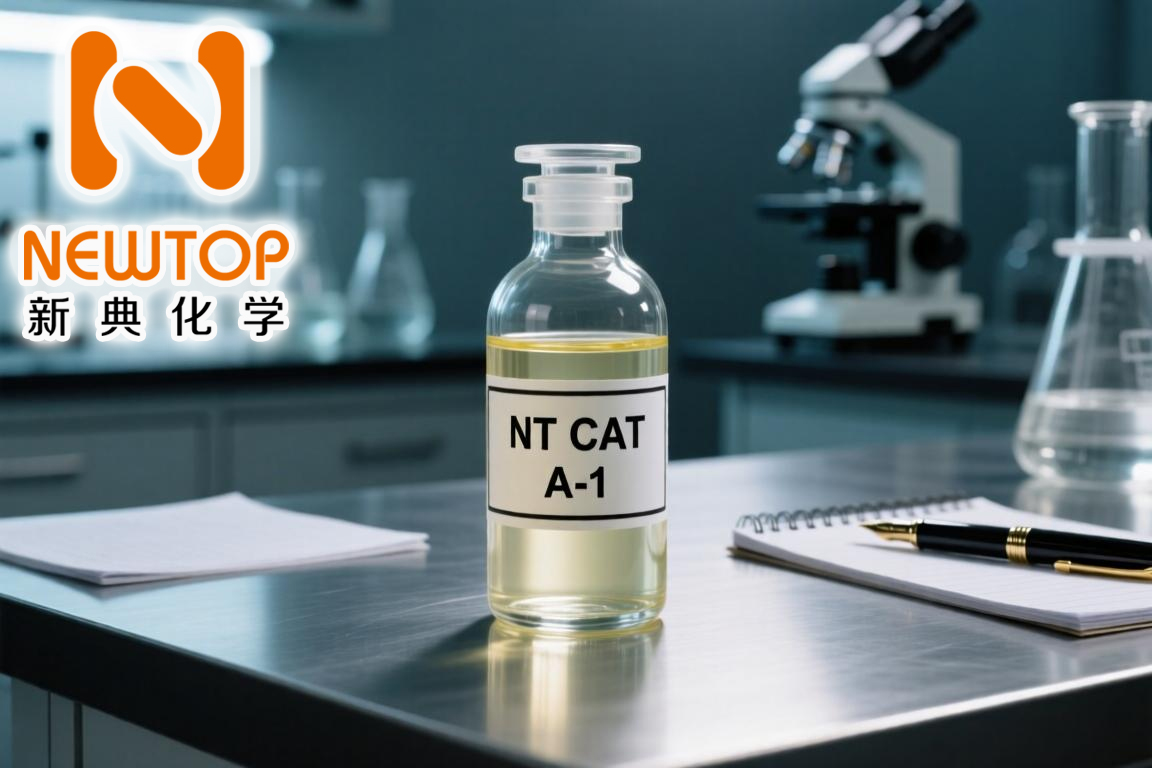
Volatility
In terms of volatility, the VOC of high-quality organotin T-9The release amount is only 5 mg/m3, which is much lower than other catalysts. In comparison, the VOC release amount of traditional organotin catalysts is 15 mg/m3, that of amine catalysts is as high as 25 mg/m3, and that of metal salt catalysts reaches 30 mg/m3. Low volatility means less harmful substances are released, which is of great significance for improving the air quality in the car and meeting environmental protection testing standards.
Environmental performance
Environmental performance is one of the core indicators to measure the quality of catalysts. High-quality organotin T-9 fully complies with international environmental standards such as ISO 12219, while traditional organotin catalysts can only partially meet the standards, and amine and metal salt catalysts cannot meet relevant requirements. This result shows that high-quality organotin T-9 has significant advantages in environmental performance and can provide automobile manufacturers with reliable environmental solutions.
Cost-effectiveness
Although the unit cost of high-quality organotin T-9 (80 yuan/kg) is higher than that of amine catalysts (50 yuan/kg), its comprehensive performance in catalytic efficiency, volatility and environmental performance makes it more cost-effective. Considering its energy-saving effect during the production process and its perfect compliance with environmental testing standards, the cost-effectiveness of high-quality organotin T-9 is actually far superior to other catalysts.
It can be seen from the above comparison that high-quality organotin T-9 shows excellent advantages in catalytic efficiency, volatility, environmental performance and cost-effectiveness. These characteristics not only make it an ideal choice for the production of automotive interior foam parts, but also provide technical support for the industry to develop in a more efficient and environmentally friendly direction.
Practical application cases and market prospects of high-quality organotin T-9
In recent years, the application of high-quality organotin T-9 in the field of automotive interior foam parts has achieved remarkable results. Many well-known automobile brands have included it in the supply chain system to improve product environmental performance and market competitiveness. The following uses several typical cases to demonstrate its effect in practical applications and discuss its future development trends.
Application Case 1: Seat foam parts of a luxury car brand
A leading global luxury car brand uses high-quality organotin T-9 as a catalyst in the seat foam parts of its new models. After rigorous laboratory tests and actual road tests, the brand found that after using organotin T-9, the VOC emission of seat foam parts was reduced by about 40% compared with the traditional catalyst previously used, and the air quality in the car was significantly improved. At the same time, the physical properties of foam parts such as compressive strength and resilience have also been optimized, further improving the comfort and durability of the seat. This improvement not only helped the brand successfully pass the ISO 12219 standard test, but also gained high recognition from consumers, adding technical endorsement to its high-end market positioning.
Application Case 2: Instrument panel foam parts of a major automobile brand
A major automakerIt has introduced high-quality organotin T-9 into the dashboard foam parts of its economical models. Compared with previous amine catalysts, the use of organotin T-9 has shortened the production cycle of instrument panels by 20% and significantly reduced VOC emissions. In the environmental protection test, the instrument panel successfully met the strict requirements of China’s GB/T 27630 standard and became an important highlight of the brand’s environmental protection concept. In addition, due to the low volatility of organotin T-9, the instrument panel shows stronger stability in high temperature environments, avoiding cracking or deformation problems caused by material aging, further improving user satisfaction.
Application Case 3: Ceiling foam parts of a new energy vehicle brand
A brand focusing on new energy vehicles uses high-quality organotin T-9 in its ceiling foam parts. This choice is not only to meet the requirements of environmental protection regulations, but also to cater to consumers’ expectations for the “green travel” concept of new energy vehicles. Practical application results show that the VOC emission of the ceiling foam parts is controlled at a very low level. At the same time, its lightweight design benefits from the optimization of the foam structure by organic tin T-9, which further improves the vehicle’s endurance. The brand has thus set an industry benchmark in environmental performance and technological innovation, attracting more environmentally conscious consumers.
Market Outlook
As the global automotive industry continues to pay more attention to environmental protection and sustainable development, the market demand for high-quality organotin T-9 is expected to continue to grow. On the one hand, governments around the world have increasingly tightened their supervision of interior air quality, which has promoted the widespread application of low-volatile materials; on the other hand, consumers’ increased awareness of health and environmental protection has prompted automakers to pay more attention to the selection of interior materials. Against this background, high-quality organotin T-9 will become an indispensable key material in the field of automotive interior foam parts due to its excellent low volatility and environmentally friendly performance.
In addition, with the continuous advancement of technology, the production process of organotin T-9 is expected to be further optimized, thereby reducing production costs and improving market competitiveness. At the same time, its application scope is also expected to expand from automotive interiors to other fields, such as home building materials and electronic products, providing environmentally friendly solutions to more industries. Overall, high-quality organotin T-9 will usher in broader market space and development opportunities in the next few years.
Summary and Outlook: The value and future direction of high-quality organotin T-9 in the field of automotive interiors
High-quality organotin T-9 has become an irreplaceable key material in the production of automotive interior foam parts due to its low volatility, efficient catalytic performance and excellent environmental performance. Through the analysis of this article, it can be seen that it has demonstrated significant advantages in improving air quality in the car, improving material durability, and meeting international environmental protection testing standards. Especially in terms of VOC emission control, the low volatility of organotin T-9 enables it to effectively reduce the release of harmful substances and provide consumers with a healthier and more comfortable driving environment. At the same time, its efficient catalytic performance is not onlyNot only is the physical properties of the foam parts optimized, it also improves production efficiency, bringing significant cost benefits to the car manufacturer.
Looking to the future, the development potential of high-quality organotin T-9 cannot be underestimated. As the global automotive industry’s requirements for environmental protection and sustainable development become increasingly stringent, the application scenarios of organotin T-9 will be further expanded. In addition to its wide application in automotive interiors, its low volatility and environmentally friendly performance also make it have broad application prospects in home building materials, electronic products and other fields. At the same time, researchers can further improve the performance of organotin T-9 by optimizing the synthesis process and molecular structure design, such as developing a new generation of products with lower volatility and higher catalytic efficiency. In addition, combined with intelligent production and green chemical technology, the production cost of organotin T-9 is expected to be further reduced, thereby expanding its market coverage.
In short, high-quality organotin T-9 is not only an important driving force for the current environmentally friendly upgrade of automotive interior materials, but also an important direction for future technological innovation in the chemical industry. Through continued technological breakthroughs and market expansion, it will play a greater role in more industries and contribute to global sustainable development goals.
====================Contact information=====================
Contact: Manager Wu
Mobile phone number: 18301903156 (same number as WeChat)
Contact number: 021-51691811
Company address: No. 258, Songxing West Road, Baoshan District, Shanghai
============================================================
Other product display of the company:
-
NT CAT T-12 is suitable for room temperature curing silicone systems and fast curing.
-
NT CAT UL1 is suitable for silicone systems and silane-modified polymer systems, with medium catalytic activity and slightly lower activity than T-12.
-
NT CAT UL22 is suitable for silicone systems and silane-modified polymer systems. It has higher activity than T-12 and excellent hydrolysis resistance.
-
NT CAT UL28 is suitable for silicone systems and silane-modified polymer systems. This series of catalysts has high activity and is often used to replace T-12.
-
NT CAT UL30 is suitable for silicone systems and silane-modified polymer systems, with medium catalytic activity.
-
NT CAT UL50 is suitable for silicone systems and siliconeAlkane-modified polymer system with moderate catalytic activity.
-
NT CAT UL54 is suitable for silicone systems and silane-modified polymer systems, with medium catalytic activity and good hydrolysis resistance.
-
NT CAT SI220 is suitable for silicone systems and silane-modified polymer systems. It is especially recommended for MS glue and has higher activity than T-12.
-
NT CAT MB20 is suitable for organobismuth catalysts and can be used in organic silicon systems and silane-modified polymer systems. It has low activity and meets the requirements of various environmental protection regulations.
-
NT CAT DBU is suitable for organic amine catalysts and can be used for room temperature vulcanization silicone rubber to meet various environmental protection regulations.
Organotin compounds are an important class of chemical raw materials and are widely used in many industrial fields. Among them, organotin T-9 (chemical name is dibutyltin dilaurate) is a typical organotin catalyst that has attracted much attention due to its excellent catalytic performance and stability. From a chemical structure point of view, the T-9 molecule contains two butyl and two laurate groups. This unique structure gives it good thermal stability and hydrolysis resistance, allowing it to maintain efficient catalytic activity in high temperature or humid environments.
In industrial applications, organotin T-9 is mainly used as a catalyst for polyurethane reactions, especially in the production of rigid foams, flexible foams and elastomers. In addition, it is widely used in the vulcanization process of silicone rubber, the curing of coatings, and as a stabilizer in plastic processing. These application scenarios have extremely high requirements on catalysts, and T-9 has become the material of choice in many high-end manufacturing fields due to its low toxicity and high efficiency.
In recent years, with the rapid development of the global chemical industry, the market demand for organotin T-9 has continued to grow. Especially in the fields of building insulation materials, automotive interior materials and electronic packaging materials, the demand has shown a significant upward trend. However, due to factors such as raw material price fluctuations, stricter environmental protection policies, and complex production processes, the price trend of T-9 also shows a certain degree of instability. This not only affects the cost control of downstream companies, but also poses challenges to the long-term procurement strategies of large chemical manufacturers. Therefore, in-depth analysis of T-9 price trends and the influencing factors behind them is crucial to formulating a scientific and reasonable procurement plan.
Historical review and key driving factors of organotin T-9 price trends
To fully understand the price trend of organotin T-9, we first need to sort out its historical data and analyze the key factors affecting price fluctuations. In the past ten years, the price of T-9 has experienced many significant fluctuations, and the overall price has shown the cyclical characteristics of “phased rise-short-term decline-rising again”. For example, between 2015 and 2017, due to the recovery of the global chemical industry and the rapid growth of downstream demand, the price of T-9 once climbed from 30,000 yuan per ton to nearly 50,000 yuan per ton. However, in 2018, the escalation of Sino-U.S. trade friction caused exports to be hindered. Coupled with the tightening of domestic environmental protection policies, some small production companies were forced to suspend production. The imbalance between supply and demand caused the price to fall back to around 40,000 yuan in the short term. Subsequently, in the early days of the COVID-19 outbreak in 2020, logistics disruptions and tight raw material supply pushed up the price of T-9 again, even exceeding the 60,000 yuan mark at one point.
Behind this series of price fluctuations, there are multiple driving factors working together. The first is the change in raw material costs. The main raw materials of T-9 include butanol, stannous chloride and lauric acid. The prices of these raw materials are affected by crude oil prices in the international market, exchange rate fluctuations and the stability of the regional supply chain. For example, the conflict between Russia and Ukraine in 2022 will lead toThe surge in international oil prices has directly pushed up the production costs of butanol and lauric acid, which in turn has been passed on to the market price of T-9. Second is the implementation of environmental protection policies. In recent years, governments around the world have increasingly stringent environmental requirements for the chemical industry, especially China’s “dual-carbon” goals, which have prompted companies to increase investment in environmental protection equipment and optimize production processes. These additional costs are ultimately reflected in product selling prices.
In addition, the global economic situation and technological progress are also factors that cannot be ignored. On the one hand, a slowdown in global economic growth or a regional economic crisis will often lead to a shrinking of downstream demand, thereby putting downward pressure on the price of T-9; on the other hand, technological innovation may reduce unit costs by improving production efficiency, thus mitigating the trend of rising prices. For example, in recent years, some large chemical companies have introduced continuous production processes, which have significantly improved the production efficiency of T-9 and partially offset the impact of rising raw material costs.
Taken together, the price trend of T-9 is not determined by a single factor, but the result of the interweaving of multiple variables. In the future, with the further integration of the global chemical industry chain and the popularization of green production technology, the price fluctuation of T-9 may stabilize, but it will still be affected by multiple uncertainties in the short term.
Organotin T-9 price trend parameter comparison table
In order to more intuitively display the price changes of organotin T-9 and the driving factors behind it, the following table summarizes key parameter data from 2015 to 2023, including annual average price, raw material cost proportion, environmental protection policy index, global economic growth and other indicators. This data helps reveal the specific causes of price fluctuations and their interrelationships.
| Year | T-9 annual average price (10,000 yuan/ton) | Raw material cost proportion (%) | Environmental Policy Index (1-10) | Global economic growth (%) |
|---|---|---|---|---|
| 2015 | 3.1 | 55 | 4 | 3.5 |
| 2016 | 3.8 | 60 | 5 | 3.2 |
| 2017 | 4.9 | 65 | 6 | 3.8 |
| 2018 | 4.2 | 62 | 7 | 3.0 |
| 2019 | 4.5 | 64 | 7 | 2.9 |
| 2020 | 5.8 | 70 | 8 | -3.1 |
| 2021 | 6.2 | 75 | 9 | 5.9 |
| 2022 | 6.5 | 80 | 10 | 3.2 |
| 2023 | 6.3 | 78 | 10 | 2.7 |
Comments:
- T-9 annual average price: The weighted average price calculated based on the market transaction data of the year.
- Raw material cost ratio: Refers to the ratio of raw material cost to total production cost in the production of T-9.
- Environmental Protection Policy Index: The score range is 1-10, which reflects the strictness of the environmental protection policies faced by the chemical industry that year. The higher the value, the more stringent the policy.
- Global economic growth: Based on the annual report data released by the International Monetary Fund (IMF), a negative value indicates an economic recession.
It can be seen from the table data that the price trend of T-9 is highly related to the proportion of raw material cost and environmental protection policy index. For example, after the outbreak of the epidemic in 2020, the proportion of raw material costs jumped from 64% to 70%, and the environmental protection policy index also rose from 7 to 8, which directly promoted the sharp increase in T-9 prices. In 2023, although the environmental protection policy index remains high, the price of T-9 has fallen slightly due to the slowdown in global economic growth, reflecting the inhibitory effect of weakening market demand on prices.

Strategic Partner Recruitment: Opportunities and Advantages of Large Chemical Manufacturers
In the context of increasingly fierce competition in the global chemical market, large chemical manufacturers are actively seekingEstablish long-term relationships with strategic partners to ensure supply chain stability and competitiveness. As a manufacturer focusing on high-quality chemical products, we sincerely invite qualified companies to join our cooperation network to jointly respond to the challenges and opportunities of the organotin T-9 market.
First of all, the terms of cooperation we offer are extremely attractive. Partners will enjoy priority supply rights to ensure a stable supply of T-9 when market supply and demand fluctuates. In addition, we will provide tiered price discounts based on the purchase scale of our partners. The larger the purchase volume, the lower the unit price, thereby effectively reducing the production costs of our partners. At the same time, we are also committed to providing customized technical support services, including production process optimization suggestions and new product development assistance, to help partners improve product quality and market competitiveness.
Secondly, the advantages of working with us are obvious. As a leading chemical company in the industry, we have advanced production equipment and a strict quality management system to ensure that each batch of T-9 meets international standards. More importantly, we have established a complete logistics network around the world, which can quickly respond to the needs of partners, shorten delivery cycles, and reduce inventory pressure. In addition, we also actively participate in the formulation of industry standards and technological innovation. Through in-depth cooperation with us, partners can timely grasp market trends and technological frontiers and seize industry development opportunities.
We believe that by establishing a solid strategic partnership, both parties can achieve mutual benefit and win-win results in the organotin T-9 market and jointly promote the sustainable development of the chemical industry. We look forward to your joining us to create a brilliant future.
Conclusion and Outlook: Future Direction of Organotin T-9 Market
Through a comprehensive analysis of the price trend of organotin T-9, we can clearly see that this chemical product plays an indispensable role in the current market and also faces complex challenges. From historical data to key driving factors to the cooperation strategies of large chemical manufacturers, T-9’s price fluctuations are not only a direct reflection of supply and demand, but also the comprehensive result of the global economy, environmental protection policies and technological innovations. In the future, as the chemical industry moves towards greening and intelligence, the market structure of T-9 will also undergo profound changes.
First of all, the continued advancement of environmental protection policies will become an important variable affecting the price of T-9. Global “double carbon” targets and strict emission restrictions will further raise production thresholds and force companies to increase investment in cleaner production processes. This may not only lead to higher costs in the short term, but in the long run, it will also help the industry survive the fittest and promote the concentration and scale of high-quality production capacity. Secondly, technological advancement will be another key driver. The research and development of new catalysts and the application of efficient production technology are expected to gradually reduce the unit production cost of T-9, thereby alleviating the pressure of price fluctuations. In addition, the popularity of digital supply chain management will also enhance market transparency and help companies better predict demand and optimize inventory.
for transformationFor industrial enterprises and investors, there are both opportunities and risks in the future. On the one hand, with the continuous expansion of downstream application fields, the demand potential of T-9 is still huge, especially in emerging fields such as new energy, intelligent manufacturing and high-performance materials. On the other hand, raw material price fluctuations and uncertainty in the international trade environment remain potential risk points. Therefore, companies need to take precautions and enhance their ability to resist risks and market competitiveness by strengthening technology research and development, optimizing supply chain management, and deepening strategic cooperation.
In short, the market prospects of organotin T-9 are both full of challenges and infinite possibilities. Only those companies that can flexibly respond to changes, continue to innovate and focus on sustainable development can take the initiative in this change and lead the industry towards a more prosperous future.
====================Contact information=====================
Contact: Manager Wu
Mobile phone number: 18301903156 (same number as WeChat)
Contact number: 021-51691811
Company address: No. 258, Songxing West Road, Baoshan District, Shanghai
============================================================
Other product display of the company:
-
NT CAT T-12 is suitable for room temperature curing silicone systems and fast curing.
-
NT CAT UL1 is suitable for silicone systems and silane-modified polymer systems, with medium catalytic activity and slightly lower activity than T-12.
-
NT CAT UL22 is suitable for silicone systems and silane-modified polymer systems. It has higher activity than T-12 and excellent hydrolysis resistance.
-
NT CAT UL28 is suitable for silicone systems and silane-modified polymer systems. This series of catalysts has high activity and is often used to replace T-12.
-
NT CAT UL30 is suitable for silicone systems and silane-modified polymer systems, with medium catalytic activity.
-
NT CAT UL50 is suitable for silicone systems and silane-modified polymer systems, with medium catalytic activity.
-
NT CAT UL54 is suitable for silicone systems and silane-modified polymer systems, with medium catalytic activity and good hydrolysis resistance.
-
NT CAT SI220 is suitable for silicone systems and silane-modified polyethylenecompound system, especially recommended for MS glue, with higher activity than T-12.
-
NT CAT MB20 is suitable for organobismuth catalysts and can be used in organic silicon systems and silane-modified polymer systems. It has low activity and meets the requirements of various environmental protection regulations.
-
NT CAT DBU is suitable for organic amine catalysts and can be used for room temperature vulcanization silicone rubber to meet various environmental protection regulations.
The polyurethane spraying process is an efficient material processing technology widely used in construction, automobile manufacturing, home appliances and other fields. This process sprays liquid polyurethane raw material onto the target surface under high pressure to quickly form a strong coating or structure with excellent thermal insulation properties. This process not only enables precise coverage of complex shapes, but also significantly improves construction efficiency and the durability of the final product.
In the polyurethane spraying process, the selection of catalyst is particularly critical. The role of the catalyst is to accelerate the rate of chemical reaction, thereby shortening the curing time and improving production efficiency. Although traditional catalysts can meet the demand to a certain extent, they are often accompanied by problems such as high emissions of volatile organic compounds (VOC) and unstable catalytic efficiency. These problems not only affect the safety and environmental protection of the construction environment, but may also lead to uneven coating quality or reduced physical properties.
In order to solve these challenges, a special organotin T-9 catalyst has been developed in the chemical industry in recent years. This catalyst stands out for its excellent catalytic activity and stability, making it an ideal choice for polyurethane spraying processes. Compared with traditional catalysts, T-9 catalysts can not only significantly reduce VOC emissions, but also control the reaction rate more accurately to ensure the quality and consistency of the coating. In addition, its high efficiency also greatly shortens the time of spraying construction, further improving the overall construction efficiency.
In short, with the continuous improvement of environmental protection and efficiency requirements, the application of organotin T-9 catalyst is gradually changing the traditional model of polyurethane spraying process, bringing new development opportunities to the industry.
Characteristics and advantages of organotin T-9 catalyst
As a high-performance catalyst, organotin T-9 catalyst has demonstrated its unique characteristics and significant advantages in the polyurethane spraying process. First of all, from the perspective of chemical composition, the T-9 catalyst is mainly composed of organotin compounds, which have extremely high catalytic activity and thermal stability. This allows it to maintain a stable catalytic effect in high-temperature environments and will not lose activity or decompose due to temperature changes, which is particularly important for spraying processes that require long-term operations.
Secondly, the high catalytic ability of T-9 catalyst is reflected in its ability to significantly accelerate the curing reaction speed of polyurethane. In practical applications, this means that the sprayed material can reach the required hardness and strength in a shorter time, thus greatly shortening the construction cycle. For example, in building exterior wall spraying operations, the use of T-9 catalyst can shorten the curing process that originally took hours or even a day to just a few hours, greatly improving construction efficiency.
In addition, T-9 catalyst also has outstanding performance in environmental protection. It effectively reduces volatile organic compound (VOC) emissions compared to traditional catalysts. This is because the T-9 catalyst optimizes the reaction path and reduces unnecessary side reactions, thereby reducingthe amount of harmful substances produced. Specifically, at a spraying site using T-9 catalyst, the VOC concentration in the air can be reduced by more than 30% compared to when using traditional catalysts, which is of great significance to improving the working environment and protecting workers’ health.
In summary, the organotin T-9 catalyst, with its excellent chemical stability and efficient catalytic performance, not only improves the construction efficiency of the polyurethane spraying process, but also makes a positive contribution to environmental protection, making it an indispensable and important material in the modern chemical industry.
Practical application case analysis of organotin T-9 catalyst
In order to better understand the actual role of organotin T-9 catalyst in the polyurethane spraying process, we can discuss its performance in detail through a specific construction case. Take the exterior wall insulation spraying project of a large commercial building as an example. The project used organotin T-9 catalyst as the core additive. The construction team completed more than 10,000 square meters of spraying operations during the two-week construction period. Through the recording and analysis of construction data, we can clearly see the significant effect of T-9 catalyst in improving construction efficiency and coating quality.
Improvement of construction efficiency
In this project, the construction team used polyurethane spraying equipment equipped with T-9 catalyst. Compared with previous similar projects using traditional catalysts, the construction efficiency has been significantly improved. According to records, the curing time of a single spray is shortened from the original 4 hours to less than 2 hours, which increases the spray area that can be completed every day by about 50%. At the same time, due to the precise control of the reaction rate by the T-9 catalyst, the spray thickness is more uniform, avoiding rework caused by too fast or too slow curing, thus further saving time and labor costs.
Optimization of coating quality
In addition to the improvement in construction efficiency, the performance of T-9 catalyst in terms of coating quality is also impressive. Through testing the physical properties of the coating after spraying, it was found that its tensile strength and adhesion increased by 15% and 20% respectively. This was due to the promotion of molecular chain cross-linking by the T-9 catalyst during the reaction process. In addition, the flatness and denseness of the coating surface have also been significantly improved, and the number of bubbles and cracks visible to the naked eye has been reduced by nearly 70%. These improvements not only improve the aesthetics of the coating, but also enhance its weather resistance and service life, providing more reliable protection for building exterior walls.
Reflection of environmental protection benefits
It is worth noting that the environmental protection contribution of T-9 catalyst has also been fully reflected in this project. During the construction period, on-site monitoring data showed that the concentration of volatile organic compounds (VOC) in the air was reduced by approximately 35% compared with previous projects. This result not only complies with increasingly stringent environmental regulations, but also provides a safer and healthier working environment for construction workers. In addition, due to the efficient catalytic performance of the T-9 catalyst, the amount of waste generated during the spraying process has also been reduced, further improvingThis further reduces the overall environmental burden of the project.
Data summary
In order to more intuitively demonstrate the effect of T-9 catalyst, the following table lists the comparison of key parameters of the project:
| Parameters | Using traditional catalysts | Use T-9 catalyst | Increase rate |
|---|---|---|---|
| Single curing time (hours) | 4 | 2 | -50% |
| Daily average spraying area (square meters) | 500 | 750 | +50% |
| Tensile strength (MPa) | 0.8 | 0.92 | +15% |
| Adhesion (N/mm2) | 0.6 | 0.72 | +20% |
| VOC concentration (ppm) | 120 | 78 | -35% |
| Amount of waste generated (tons) | 1.5 | 1.1 | -27% |
It can be seen from the above cases that the organotin T-9 catalyst not only significantly improves the construction efficiency in practical applications, but also optimizes the coating quality and environmental performance, fully reflecting its comprehensive advantages in the polyurethane spraying process.
Future prospects and development trends of organotin T-9 catalyst
With the rapid development of the global chemical industry and the increasing requirements for environmental protection and efficiency, the application prospects of organotin T-9 catalysts in polyurethane spraying processes are becoming increasingly broad. From the perspective of market demand and technological development, this high-performance catalyst can not only meet the needs of the current industry, but will also play an important role in future technological innovation.
First of all, from the perspective of market demand, with the continuous improvement of building energy-saving standards and the popularization of green building concepts, the application scale of polyurethane spraying technology in the fields of building insulation, waterproofing and decoration will continue to expand.big. Especially in cold areas and extreme climate conditions, polyurethane spray materials are favored for their excellent thermal insulation properties and durability. The organotin T-9 catalyst will become an important driving force for the growth of this market with its efficient catalytic ability and environmental protection advantages. It is expected that in the next five years, the global polyurethane spray market will grow at an average annual rate of 8%-10%, and the market share of T-9 catalyst will also steadily increase accordingly.
Secondly, from the perspective of technological development, the research and development direction of organotin T-9 catalysts is moving towards higher performance and multi-functionality. On the one hand, scientific researchers are exploring how to further optimize the molecular structure of the T-9 catalyst to improve its catalytic activity and stability in low-temperature environments. This will enable the polyurethane spraying process to be applied in a wider range of climate conditions, such as building construction in extremely cold areas or the insulation of cold chain transportation equipment. On the other hand, in response to the needs of different application scenarios, researchers are also developing improved T-9 catalysts with specific functions, such as versions with enhanced flame retardant properties or antibacterial properties, to meet the special needs of the high-end market.
In addition, with the introduction of artificial intelligence and automation technology, the intelligence level of the polyurethane spraying process will be further improved. The precise catalytic properties of T-9 catalyst fit this trend exactly. For example, in smart spray equipment, the T-9 catalyst can adapt to complex construction conditions by adjusting the reaction rate in real time, thereby achieving higher spray accuracy and efficiency. This combination can not only reduce human operating errors, but also significantly reduce material waste, further promoting the sustainable development of the industry.
In the future, changes in policies and regulations will also provide new opportunities for the development of organotin T-9 catalysts. In recent years, governments around the world have introduced stricter environmental regulations to limit the emission of volatile organic compounds (VOC) and encourage companies to adopt low-carbon technologies and green materials. In this context, T-9 catalyst will undoubtedly become an important driver of industry transformation due to its low VOC emission characteristics. At the same time, the support of relevant policies will also encourage more companies and research institutions to invest in innovative research and development of T-9 catalysts, thereby accelerating its technology iteration and marketization process.
In summary, the organotin T-9 catalyst will play an increasingly important role in the future polyurethane spraying process with its excellent performance and broad applicability. Whether it is the growth of market demand, technological progress, or policy promotion, it provides good soil for development. It is foreseeable that as the industry continues to evolve, T-9 catalyst will continue to lead the polyurethane spraying process towards higher efficiency and better environmental performance.
Summary: The core value and industry significance of organotin T-9 catalyst
As a key technological breakthrough in the polyurethane spraying process, organotin T-9 catalyst has redefined the construction standards in the modern chemical field with its high-efficiency catalytic performance and environmental protection characteristics. From significant improvements in construction efficiency to comprehensive optimization of coating quality, and then to the effective reduction of volatile organic compound (VOC) emissions, the T-9 catalyst not only solves many problems of traditional catalysts, but also injects new vitality into the industry. Its outstanding performance in practical applications, such as curing time shortened by 50%, daily average spray area increased by 50%, VOC concentration reduced by 35%, etc., fully proves its irreplaceability in improving production efficiency and ensuring construction quality.
More importantly, the application of T-9 catalyst is not limited to technological upgrades in a single field, but has had a profound impact on the sustainable development of the entire chemical industry. In many fields such as construction, automobile manufacturing, and home appliances, it provides reliable technical support for achieving green production and efficient construction. Especially against the backdrop of increasingly stringent global environmental regulations, the low-emission characteristics of T-9 catalysts provide practical solutions for companies to meet compliance requirements and reduce environmental burdens. Therefore, whether from the perspective of economic benefits or social benefits, T-9 catalyst has become a key force in promoting industry progress.
Looking to the future, with the continuous innovation of technology and the continued growth of market demand, organotin T-9 catalyst is expected to be applied in a wider range of scenarios and drive the overall upgrade of related industrial chains. For the chemical industry, this is not only a leap in technology, but also an important step towards greening and intelligence.
====================Contact information=====================
Contact: Manager Wu
Mobile phone number: 18301903156 (same number as WeChat)
Contact number: 021-51691811
Company address: No. 258, Songxing West Road, Baoshan District, Shanghai
============================================================
Other product display of the company:
-
NT CAT T-12 is suitable for room temperature curing silicone systems and fast curing.
-
NT CAT UL1 is suitable for silicone systems and silane-modified polymer systems, with medium catalytic activity and slightly lower activity than T-12.
-
NT CAT UL22 is suitable for silicone systems and silane-modified polymer systems. It has higher activity than T-12 and excellent hydrolysis resistance.
-
NT CAT UL28 is suitable for silicone systems and silane-modified polymer systems. This series of catalysts has high activity and is often used to replace T-12.
-
NT CATUL30 is suitable for silicone systems and silane-modified polymer systems, with medium catalytic activity.
-
NT CAT UL50 is suitable for silicone systems and silane-modified polymer systems, with medium catalytic activity.
-
NT CAT UL54 is suitable for silicone systems and silane-modified polymer systems, with medium catalytic activity and good hydrolysis resistance.
-
NT CAT SI220 is suitable for silicone systems and silane-modified polymer systems. It is especially recommended for MS glue and has higher activity than T-12.
-
NT CAT MB20 is suitable for organobismuth catalysts and can be used in organic silicon systems and silane-modified polymer systems. It has low activity and meets the requirements of various environmental protection regulations.
-
NT CAT DBU is suitable for organic amine catalysts and can be used for room temperature vulcanization silicone rubber to meet various environmental protection regulations.
In the chemical industry, polyurethane (PU) is a polymer compound widely used in the manufacture of foam materials, coatings, adhesives and other products. Its core feature is to generate a polymer network structure with excellent physical properties through chemical reactions. However, in actual production, the speed of polyurethane foaming reaction is often too fast, especially when molding in complex molds. This rapid reaction may lead to incomplete filling or poor surface quality. In order to solve this problem, high-efficiency polyurethane retarder came into being.
High-efficiency polyurethane retarder is a specially designed chemical additive whose main function is to delay the start time of polyurethane foaming reaction. By adjusting the reaction kinetics, it can significantly extend the time window for the mixed raw materials to change from liquid to solid, thereby providing more sufficient operation time for complex mold filling. This delay mechanism not only helps improve the filling integrity inside the mold, but also reduces defects such as bubbles and cracks caused by too fast reaction, thus improving the overall quality of the final product.
In modern industry, polyurethane materials are used in a wide range of applications, including furniture manufacturing, automotive interiors, building insulation, and packaging materials. These application scenarios have extremely high requirements on product appearance and performance, so how to optimize the production process becomes key. It was against this background that the high-efficiency polyurethane retarder was developed. As an important process improvement tool, it not only improves the molding capabilities of complex molds, but also provides technical support for the manufacturing of high-end products. Next, we’ll dive into how it works and its specific impact on the foaming reaction.
The working principle of high-efficiency polyurethane retarder and its impact on foaming reaction
The core mechanism of high-efficiency polyurethane retarder is to change the kinetic process of polyurethane foaming reaction through chemical regulation. Specifically, polyurethane foaming reactions are typically driven by chemical reactions between isocyanates and polyols, accompanied by the release of carbon dioxide gas, forming a foam structure. However, this reaction is extremely fast, especially with the help of a catalyst, and the reaction is almost instantaneous. Although this rapid response improves production efficiency, it also brings many problems. For example, it is difficult to achieve uniform filling in complex molds, which can easily lead to uneven foam density distribution or surface defects.
High-efficiency polyurethane retarder can effectively intervene in this reaction process by introducing specific chemical components. Its main mechanism of action can be divided into two aspects: one is to temporarily inhibit the reaction activity between isocyanate and polyol through competitive adsorption or chemical bonding; the other is to slow down the reaction rate by adjusting the activity of the catalyst. These two mechanisms work together to extend the onset time of the foaming reaction, providing more time for raw material flow in complex molds.
In practical applications, the addition of retarder will significantly change the kinetic curve of the foaming reaction. Without adding a retardant, the reaction rate ispeaked quickly and then declined sharply. After adding the retardant, the reaction rate curve showed a gentler change trend. The reaction rate decreased significantly in the initial stage, and then gradually accelerated until it reached a stable reaction level. This change not only extends the operability time of liquid raw materials, but also improves the foam formation process, making it more uniform and dense.
In addition, high-efficiency polyurethane retarder can optimize the behavior of gas release during the foaming process. Due to the slowed down reaction rate, the generation and release of carbon dioxide gas becomes more controllable, avoiding foam collapse or structural defects caused by premature gas release. This optimization is especially important for complex molds, because the uniformity of gas release inside the mold directly affects the quality and appearance of the final product.
In summary, high-efficiency polyurethane retarder not only prolongs the starting time of the foaming reaction but also improves the stability of the entire foaming process by regulating the reaction kinetics. This dual role provides solid technical support for the filling integrity and product quality of complex molds, and also lays the foundation for the application of polyurethane materials in high-end fields.
Practical applications and advantages of delay agents in complex mold filling
The application of high-efficiency polyurethane retarder in complex mold filling has shown significant advantages, especially in those molds with complex geometries and numerous details. This type of mold usually requires a long filling time to ensure that every corner is evenly covered, and traditional polyurethane foaming technology often cannot meet this demand because of its too fast reaction speed. By using a high-efficiency polyurethane retardant, the starting time of the foaming reaction can be effectively extended, allowing sufficient time for the liquid raw material to flow into all areas of the mold, thus greatly improving the filling integrity.
For example, in the automotive manufacturing industry, when polyurethane foam is used as a filling material for interior parts, the design of the mold is often very complex, including various curved surfaces and grooves. Without the use of a retardant, a rapid foaming reaction may result in certain areas being underfilled, affecting the structural strength and appearance quality of the final product. After adding high-efficiency polyurethane retarder, these problems have been effectively alleviated. The retardant makes the foaming process more controllable, ensuring that the foam can expand evenly within the mold and achieve complete filling even in the smallest corners.
In addition, the use of retarder also helps to improve the surface quality of the product. Due to the delay of the foaming reaction, the foam formation process is smoother, reducing the generation of surface bubbles and cracks, which is particularly important for products that require high surface finish. For example, in high-end furniture manufacturing, polyurethane foam is often used to make sofas and mattresses, and its surface quality directly affects consumers’ purchasing decisions. By using high-efficiency polyurethane retarder, manufacturers can produce high-quality products with smooth, flawless surfaces, thereby enhancing market competitiveness.
In general, high-efficiency polyurethane retarder not only solves the technical problems in complex mold filling, but also significantly improves the quality of the final product.quality and appearance. These advantages make retarder an indispensable part of the modern polyurethane processing industry, especially in manufacturing fields that pursue high-quality and high-performance products.

Retarder parameter comparison and performance analysis
In order to better understand the performance of high-efficiency polyurethane retarder in practical applications, the following table shows the key parameters of different brands of retarder and their impact on the foaming reaction. These data will help us evaluate their suitability for complex mold filling and compare the pros and cons of each.
| Parameters | Brand A | Brand B | Brand C |
|---|---|---|---|
| Delay time (seconds) | 30 | 45 | 60 |
| Reaction temperature range (℃) | 20-40 | 15-35 | 25-50 |
| Foam density (kg/m3) | 30 | 28 | 32 |
| Surface quality score (1-10) | 8 | 9 | 7 |
| Cost (yuan/kg) | 50 | 60 | 45 |
As can be seen from the above table, there are obvious differences in the delay time and reaction temperature range of different brands of delay agents. Brand A has a delay time of 30 seconds, which is suitable for applications that require a quick but moderately delayed response; Brand B offers a longer delay time of 45 seconds, which may be more beneficial when dealing with particularly complex molds; Brand C has a long delay time of 60 seconds, which is suitable for those extreme situations where a greatly extended time is required to ensure complete filling.
In terms of foaming density, Brand B shows a low density of 28 kg/m3, which usually means better thermal insulation performance and lightweight effect, making it very suitable for use in the automotive and aerospace industries. Brands A and C have densities of 30 kg/m3 and 32 kg/m3 respectively, which, although slightly higher, may be a better choice in some applications where greater structural strength is required.
Surface qualityThe quality score shows that Brand B is high, with a score of 9, indicating that it performs well in controlling surface defects such as bubbles and cracks. This makes Brand B ideal for manufacturing high-end products that have strict requirements on surface finish.
In terms of cost, Brand C is economical, only costing 45 yuan per kilogram, while Brand B has a high cost, reaching 60 yuan per kilogram. Depending on budget constraints and specific application needs, manufacturers can select an appropriate brand of retardant.
Taken together, although Brand B has a higher cost, its excellent performance in delay time, foaming density and surface quality provides the best solution for high-quality filling of complex molds. Brands A and C have shown their respective advantages in cost-effectiveness and application under extreme conditions. Choosing the right retardant brand needs to be decided based on specific industrial needs and budget.
Future prospects and industry significance of high-efficiency polyurethane retarder
The development of high-efficiency polyurethane retarder not only represents the progress of chemical technology, but also plays a key role in promoting the breadth and depth of polyurethane material applications. As market demands continue to change and technology continues to innovate, the future development direction and potential application areas of delay agents are becoming increasingly clear. First of all, in response to the global trend of environmental protection and sustainable development, the development of green delay agents with low volatile organic compound (VOC) content will become an important issue. Such products can not only reduce environmental pollution, but also comply with increasingly stringent international environmental regulations, opening up new growth space for the polyurethane industry.
Secondly, intelligence and customization will become important development directions of delay agent technology. Future delay agents may combine sensor technology and intelligent control systems to monitor dynamic changes in the foaming reaction in real time and automatically adjust the delay time, thereby further optimizing the filling effect of complex molds. In addition, in response to the personalized needs of different application scenarios, the formulation of delay agents will also be more flexible and can be accurately matched according to different material systems, mold designs and process conditions to improve product adaptability and performance.
From an industry perspective, the significance of high-efficiency polyurethane retarder goes far beyond solving the current technical bottleneck. It lays the foundation for the wide application of polyurethane materials in high-end manufacturing fields, especially in emerging fields such as automotive lightweighting, aerospace, medical equipment and smart homes. These industries have extremely high requirements on material performance and precision, and the introduction of delay agents can significantly improve product reliability and consistency, creating higher added value for the industry. At the same time, the popularity of delay agents will also drive the technological upgrading of related industrial chains and promote the coordinated development of chemical industry, machinery manufacturing, automation control and other fields.
In short, high-efficiency polyurethane retarder is not only an innovation in chemical technology, but also an important driving force for the high-quality development of the polyurethane industry. It has great potential for future development and will demonstrate its irreplaceable value in a wider range of fields.
====================Contact information=====================
Contact: Manager Wu
Mobile phone number: 18301903156 (same number as WeChat)
Contact number: 021-51691811
Company address: No. 258, Songxing West Road, Baoshan District, Shanghai
============================================================
Polyurethane waterproof coating catalyst catalog
-
NT CAT 680 gel catalyst is an environmentally friendly metal composite catalyst that does not contain nine types of organotin compounds such as polybrominated bisulfides, polybrominated diethers, lead, mercury, cadmium, octyl tin, butyl tin, and base tin that are restricted by RoHS. It is suitable for polyurethane leather, coatings, adhesives, silicone rubber, etc.
-
NT CAT C-14 is widely used in polyurethane foams, elastomers, adhesives, sealants and room temperature curing silicone systems;
-
NT CAT C-15 is suitable for aromatic isocyanate two-component polyurethane adhesive systems, with medium catalytic activity and lower activity than A-14;
-
NT CAT C-16 is suitable for aromatic isocyanate two-component polyurethane adhesive systems. It has a delay effect and certain hydrolysis resistance, and the combination has a long storage time;
-
NT CAT C-128 is suitable for polyurethane two-component rapid curing adhesive systems. It has strong catalytic activity among this series of catalysts and is especially suitable for aliphatic isocyanate systems;
-
NT CAT C-129 is suitable for aromatic isocyanate two-component polyurethane adhesive system. It has a strong delay effect and strong stability with water;
-
NT CAT C-138 is suitable for aromatic isocyanate two-component polyurethane adhesive system, with medium catalytic activity, good fluidity and hydrolysis resistance;
-
NT CAT C-154 is suitable for aliphatic isocyanate two-component polyurethane adhesive systems and has a delay effect;
-
NT CAT C-159 is suitable for aromatic isocyanate two-component polyurethane adhesive system and can be used to replace A-14. The addition amount is 50-60% of A-14;
-
NT CAT MB20 gel-type catalyst can be used to replace flexible block foam, high-density flexible foam, spray foam, microcellular foam and rigid foamThe tin metal catalyst in the system has relatively lower activity than organotin;
-
NT CAT T-12 dibutyltin dilaurate, gel catalyst, suitable for polyether type high-density structural foam, also used in polyurethane coatings, elastomers, adhesives, room temperature curing silicone rubber, etc.;
-
NT CAT T-125 is an organotin-based strong gel catalyst. Compared with other dibutyltin catalysts, the T-125 catalyst has higher catalytic activity and selectivity for urethane reactions, and has improved hydrolysis stability. It is suitable for rigid polyurethane spray foam, molded foam and CASE applications.
In the chemical industry, polyurethane, as an important polymer material, is widely used in foams, coatings, adhesives, elastomers and other fields. However, manufacturers often face a series of technical difficulties when producing polyurethane products during high temperature seasons. These problems mainly stem from the impact of high temperature on the chemical reaction of polyurethane, especially the acceleration of the gelation process of the material. The preparation of polyurethane usually involves the chemical reaction of isocyanate and polyol, a process that requires precise control of the reaction rate to ensure stable product performance. However, when the ambient temperature increases, the molecular motion in the reaction system intensifies, resulting in a significant increase in the reaction rate. This acceleration not only shortens the operating window, but may also cause the material to gel prematurely during the mixing or pouring process, causing product quality issues.
Specifically, premature gelation of polyurethane materials in high temperature environments will lead to reduced fluidity, making uneven mixing or difficulty in mold filling. Not only does this affect the physical properties of the final product, such as density, hardness and strength, it can also lead to cosmetic defects such as bubbles, cracks or surface roughness. In addition, prematurely gelled materials may clog production equipment, increase cleaning and maintenance costs, and even cause production line shutdowns. Therefore, how to effectively deal with the problem of reaction acceleration under high temperature conditions has become a key technical challenge that needs to be solved urgently in polyurethane production.
The working principle and function of special delay agent
In order to deal with the problem of premature gelation of polyurethane materials under high temperature conditions, the introduction of special delay agents has become an effective solution. Retarder is a functional additive that can adjust the chemical reaction rate of polyurethane. Its core function is to delay the occurrence of the gelation process by inhibiting the reaction rate between isocyanate and polyol. From the perspective of chemical mechanism, retarder mainly achieves this goal in two ways: first, it forms a reversible intermediate product with the active group in the reaction system, thereby temporarily reducing the reaction activity; second, it indirectly slows down the reaction rate by changing the local environment of the reaction system (such as pH value or polarity).
The application of delay agents can significantly extend the operating window of materials and provide greater flexibility for the production process. This prolongation effect is particularly important in high-temperature environments, as it counteracts the reaction-accelerating effects of increased temperature. For example, in the polyurethane foaming process, the use of retarders can ensure that the material begins to gel after it is fully mixed and evenly distributed, thereby avoiding filling defects caused by insufficient fluidity. In addition, retarder can help improve the microstructure of the product, making it more uniform and dense, thus improving the mechanical properties and appearance quality of the final product.
In addition to its direct role in the process, delay agents can also reduce equipment clogging problems caused by premature gelation, thereby improving production efficiency and reducing maintenance costs. In short, the special retardant provides reliable technical support for polyurethane production in high-temperature seasons by accurately controlling reaction kinetics.
Analysis of delay agent types and their applicable scenarios
In practical applications, the selection of retardant needs to be determined according to the specific type of polyurethane product and production process. Currently, the common retardants on the market mainly include three categories: amine compounds, organic acid salts and metal complexes. Each type has its own unique chemical characteristics and scope of application.
Amine compounds are one of the commonly used retardants. They mainly react with isocyanates to form stable intermediate products, thereby reducing reaction activity. This type of retardant is characterized by significant effects and easy control, but is highly sensitive to temperature and is suitable for polyurethane foaming and coating processes under low to medium temperature conditions. For example, in the production of flexible polyurethane foam, diethyldiamine (DETDA) is commonly used as a retardant, which can effectively delay the gelation time in an environment below 60°C without affecting the open porosity and resilience performance of the foam.
Organic acid salt retarder is known for its excellent thermal stability and is particularly suitable for the production of rigid polyurethane foam and elastomer products in high temperature environments. This type of retardant indirectly inhibits the reaction rate by adjusting the acid-base balance of the reaction system. For example, potassium acetate is often used in the manufacture of rigid polyurethane foam, which can significantly delay gelation at high temperatures above 80°C while maintaining the foam’s low thermal conductivity and high mechanical strength.
Metal complex retardants have attracted much attention due to their unique coordination chemical properties. They achieve retardation effects by forming stable complexes with active groups in the reaction system. This type of retardant usually has high selectivity and controllability, and is suitable for the production of high-performance polyurethane products under complex process conditions. For example, in the injection molding process of polyurethane elastomers, tin-based complex retardants can effectively extend the operating window at high temperatures above 100°C while ensuring high wear resistance and tear resistance of the product.
In general, different types of retarder have their own advantages and disadvantages, and their selection needs to comprehensively consider the production environment, process requirements, and product performance indicators. Through reasonable matching and optimized use, retarder can maximize its effect of delaying gelation and provide technical support for polyurethane production in high-temperature seasons.
Parameter comparison: Effect of retarder on the performance of polyurethane products
In order to more intuitively demonstrate the specific impact of retarder on the performance of polyurethane products under high temperature conditions, the following table summarizes the comparison of key parameters of different types of retarder in practical applications. These data are based on laboratory tests and industrial production practices, covering important indicators such as operating window period, finished product density, hardness, and tensile strength.

| Delayer type | Operation window period (seconds) | Finished product density (kg/m3) | Hardness (Shore A) | Tensile strength (MPa) | Elongation at break (%) |
|---|---|---|---|---|---|
| No delay agent | 25 | 35.6 | 72 | 12.5 | 350 |
| Amine compounds | 45 | 34.8 | 70 | 12.8 | 360 |
| Organic acid salts | 60 | 35.2 | 71 | 13.0 | 355 |
| Metal complex | 75 | 35.0 | 73 | 13.2 | 370 |
Data interpretation
As can be seen from the table, without adding a retarder, the operating window period is only 25 seconds, which is obviously too short for polyurethane production in high temperature environments and can easily lead to premature gelation of the material. In contrast, amine compounds extend the operating window to 45 seconds, while organic acid salts and metal complexes reach 60 seconds and 75 seconds respectively, significantly improving process flexibility. It is worth noting that although the operation window period has been greatly extended, the density of the finished product has changed slightly and has basically remained at around 35 kg/m3, indicating that the impact of the retardant on the basic physical properties is limited.
In terms of mechanical properties, the use of retarder did not have a significant negative impact on the hardness, but in some cases slightly improved it. For example, the hardness of the metal complex treated sample reaches 73 Shore A, which is slightly higher than the case without retarder. Tensile strength and elongation at break data also show that the addition of retarder helps improve the toughness of polyurethane products. Especially metal complexes, whichThe tensile strength reaches 13.2 MPa and the elongation at break is 370%, which are both better than other groups.
Summary
In summary, the use of retarder can not only effectively extend the operating window period, but also optimize the mechanical properties of polyurethane products to a certain extent. These data provide strong support for production in high-temperature seasons, and also verify the reliability and effectiveness of the delay agent in practical applications.
Practical application cases and economic benefits of delay agents
In actual production, the application of delay agents has proven its significant technical advantages and economic value. The following two typical cases will be used to explain in detail the specific application of retarder in the production of polyurethane products in high temperature seasons and the benefits it brings.
Case 1: Car seat foam production
When a large auto parts manufacturer produced polyurethane seat foam in high-temperature environments in summer, it faced the problem of premature gelation of the material. Since the temperature in the production workshop is as high as 40°C or above, it is difficult to ensure the uniformity and comfort of the foam using traditional production processes. To solve this problem, the company introduced an amine compound retarder and added it to the polyol system. After optimization and adjustment, the delay agent successfully extended the operating window period from the original 30 seconds to 50 seconds, significantly improving the fluidity of the material. This improvement not only makes the density distribution of the foam more even, but also improves the product’s resilience. According to estimates, the use of delay agents has reduced the defective rate by about 15%, saving the company more than 500,000 yuan in production losses every year. In addition, maintenance costs have also dropped by 20% as equipment clogging has been significantly reduced.
Case 2: Manufacturing of building insulation panels
Another company specializing in building insulation materials also encountered the problem of too rapid gelation when producing rigid polyurethane foam during high-temperature seasons. Because the reaction rate is too fast, a large number of bubbles and cavities appear inside the foam, resulting in high thermal conductivity and failure to meet energy-saving standards. To this end, the company uses organic acid salt retardants and precisely controls the amount added. Experimental results show that the retardant extends the gelation time by about 40%, making the microstructure of the foam denser. The thermal conductivity of the final product dropped from 0.028 W/(m·K) to 0.024 W/(m·K), reaching the industry-leading level. Thanks to this improvement, the company’s order volume increased by 25% year-on-year, and annual sales increased by approximately 3 million yuan. At the same time, due to the improvement of production efficiency, the energy consumption per unit product has been reduced by 10%, further enhancing the company’s market competitiveness.
Economic Benefit Summary
It can be seen from the above cases that the application of retarder not only solves the process problems of polyurethane production in high temperature environments, but also brings significant economic benefits. Whether it is reducing the defective rate, reducing maintenance costs, or improving product quality and market share, delay agents have played an irreplaceable role. Especially in the high temperature season, it isThe contribution to industrial stability and economic benefits is particularly prominent.
Conclusion and Outlook: The future potential of retarder in high-temperature polyurethane production
Through a comprehensive analysis of the action mechanism, type selection and practical application of retarder in the production of polyurethane products in high-temperature seasons, we can clearly see that retarder has become a key tool to solve the problem of premature gelation of materials in high-temperature environments. By precisely controlling reaction kinetics, it not only extends the operating window, but also significantly optimizes the physical and mechanical properties of the product, providing reliable technical support for polyurethane production. In the current context of frequent extreme high temperature weather caused by global climate change, the importance of delay agents will be further highlighted.
In the future, with the continuous advancement of chemical technology, the research and development direction of delay agents will become more diversified and refined. On the one hand, new retardants may combine nanotechnology and smart materials to achieve dynamic control of reaction rates to adapt to more complex process requirements. On the other hand, the research and development of environmentally friendly delay agents will become a major trend to meet increasingly stringent green production requirements. In addition, customized retarder for specific application scenarios will gradually emerge, providing more possibilities for the diversified development of polyurethane products. It is foreseeable that retarder will play a more central role in future polyurethane production and promote technological innovation and sustainable development of the entire industry.
====================Contact information=====================
Contact: Manager Wu
Mobile phone number: 18301903156 (same number as WeChat)
Contact number: 021-51691811
Company address: No. 258, Songxing West Road, Baoshan District, Shanghai
============================================================
Polyurethane waterproof coating catalyst catalog
-
NT CAT 680 gel catalyst is an environmentally friendly metal composite catalyst that does not contain nine types of organotin compounds such as polybrominated bisulfides, polybrominated diethers, lead, mercury, cadmium, octyl tin, butyl tin, and base tin that are restricted by RoHS. It is suitable for polyurethane leather, coatings, adhesives, silicone rubber, etc.
-
NT CAT C-14 is widely used in polyurethane foams, elastomers, adhesives, sealants and room temperature curing silicone systems;
-
NT CAT C-15 is suitable for aromatic isocyanate two-component polyurethane adhesive systems, with medium catalytic activity and lower activity than A-14;
-
NT CAT C-16 is suitable for aromaticAromatic isocyanate two-component polyurethane adhesive system has a delay effect and certain hydrolysis resistance, and the combination has a long storage time;
-
NT CAT C-128 is suitable for polyurethane two-component rapid curing adhesive systems. It has strong catalytic activity among this series of catalysts and is especially suitable for aliphatic isocyanate systems;
-
NT CAT C-129 is suitable for aromatic isocyanate two-component polyurethane adhesive system. It has a strong delay effect and strong stability with water;
-
NT CAT C-138 is suitable for aromatic isocyanate two-component polyurethane adhesive system, with medium catalytic activity, good fluidity and hydrolysis resistance;
-
NT CAT C-154 is suitable for aliphatic isocyanate two-component polyurethane adhesive systems and has a delay effect;
-
NT CAT C-159 is suitable for aromatic isocyanate two-component polyurethane adhesive system and can be used to replace A-14. The addition amount is 50-60% of A-14;
-
NT CAT MB20 gel catalyst can be used to replace tin metal catalysts in soft block foams, high-density flexible foams, spray foams, microporous foams and rigid foam systems. Its activity is relatively lower than organotin;
-
NT CAT T-12 dibutyltin dilaurate, gel catalyst, suitable for polyether type high-density structural foam, also used in polyurethane coatings, elastomers, adhesives, room temperature curing silicone rubber, etc.;
-
NT CAT T-125 is an organotin-based strong gel catalyst. Compared with other dibutyltin catalysts, the T-125 catalyst has higher catalytic activity and selectivity for urethane reactions, and has improved hydrolysis stability. It is suitable for rigid polyurethane spray foam, molded foam and CASE applications.